A significant escalation of violence is unfolding across the West Bank, with Palestinian communities and agricultural lands facing a wave of attacks. The period following the recent ceasefire in Gaza has been marked by a sharp increase in such incidents, creating an atmosphere of intense fear and intimidation.
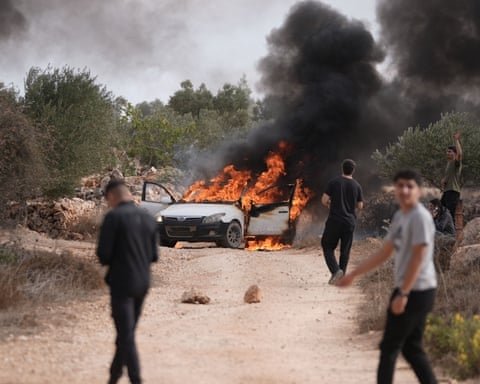
Farmers attempting to harvest their olive crops are reporting systematic harassment and assaults. In numerous villages, from Sinjil to Beit Furik, armed individuals have vandalized property, damaged crops, and physically attacked agricultural workers. A particularly severe incident involved the ransacking of a light industrial park and the torching of multiple vehicles in one community, leaving several residents injured.
Data from monitoring bodies indicates that October saw the highest number of such attacks in nearly two decades, with hundreds of incidents recorded. A Palestinian agricultural union reports that violence against its members has quadrupled compared to pre-war levels, describing the actions as a coordinated campaign aimed at undermining rural Palestinian life.
The economic impact is severe. The olive harvest, a critical source of income for tens of thousands of families, has been devastated, with revenues now a fraction of their former value. This has exacerbated an already profound economic crisis in the territory.
While senior officials have occasionally condemned the most extreme attacks, attributing them to a small minority, critics point to a persistent lack of accountability. Investigations into such violence rarely lead to indictments, and convictions are even more uncommon.
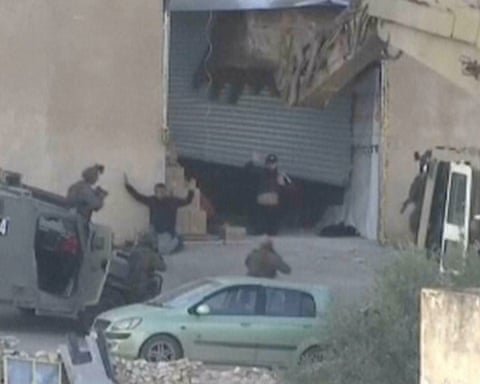
The situation is further complicated by the involvement of security forces. In separate incidents over the past fortnight, several Palestinians, including multiple teenagers, have been killed in confrontations. The military stated that its forces opened fire in response to threats, such as an explosive device being thrown.
Efforts by international and Israeli volunteers to accompany farmers during the harvest have been systematically blocked by authorities, with some activists being detained and subsequently deported. They describe these measures as a strategic effort to prevent solidarity and observation.
The West Bank, home to nearly three million Palestinians, has been under occupation since 1967. The expansion of Israeli settlements in the territory, considered illegal under international law, remains a central point of contention.