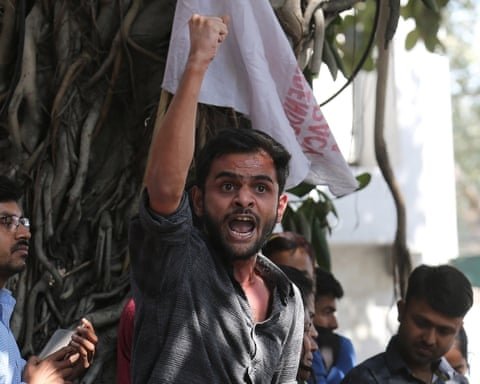
A prominent activist in India has now spent five years in prison without facing trial, becoming a symbol of what critics describe as systematic suppression of dissent.
Umar Khalid, arrested in September 2020 under anti-terrorism legislation, remains incarcerated in Delhi’s Tihar jail despite no conviction. His bail petitions have been repeatedly denied, with the latest hearing postponed indefinitely by the Supreme Court.
The case against Khalid stems from his alleged involvement in 2020 Delhi riots, though evidence presented by prosecutors has faced scrutiny from legal experts and human rights organizations. Court documents reveal the prosecution relies heavily on unverified witness accounts and Khalid’s membership in messaging groups where he reportedly never posted.
Notably, Khalid was physically absent from Delhi when the violence occurred, having delivered a speech in another state where he explicitly advocated for peaceful protest. “We won’t respond to violence with violence,” he told crowds at the time. “If they spread hate, we will respond to it with love.”
Legal observers have raised concerns about procedural irregularities in riot-related cases, with multiple judges noting instances of fabricated evidence and coerced testimony by investigating authorities.
Before his detention, Khalid had emerged as a vocal critic of government policies, particularly those affecting minority communities. His academic background and outspoken activism made him a visible figure in protest movements.
Supporters maintain the prolonged detention represents a broader pattern of targeting dissenters. “The legal process itself has become the punishment,” noted one observer close to the case. “The message is clear about the consequences of speaking out.”
International human rights organizations have condemned the continued detention without trial, calling for Khalid’s immediate release and expressing concern about deteriorating rights protections.
Despite the circumstances, those close to Khalid describe his resilience. He has reportedly read hundreds of books during his confinement and maintains regular contact with family members, who say his determination remains unbroken.
The case continues to draw attention to legal processes and treatment of activists in the world’s largest democracy, with many watching closely as appeals proceed through the judicial system.