
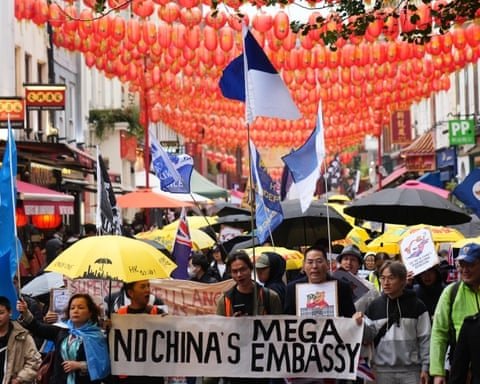
The British government confronts a significant diplomatic challenge as it approaches a final decision on China’s proposed new embassy complex in London, a project that has remained stalled for seven years amid local opposition and security concerns.
In 2018, China acquired the historic Royal Mint Court site near Tower Bridge for £255 million with ambitions to construct a major diplomatic facility. The project, initially heralded as symbolizing strengthened UK-China relations, quickly encountered resistance from local residents, human rights advocates, and parliamentarians.
Local authorities rejected the initial planning application in late 2022, citing community impact concerns. The decision followed representations from residents including Hong Kong exiles who had settled in the area. Tower Hamlets, which hosts England’s largest Muslim population, also saw community unease regarding China’s human rights record.
Chinese officials subsequently engaged in extensive efforts to revive the project, holding numerous meetings with community figures and exploring legal avenues to challenge the council’s decision. Documents reveal embassy officials distributed thousands of informational flyers and organized cultural events at the site in attempts to build local support.
The political landscape shifted dramatically following the 2024 general election. Within days of the new government taking office, China resubmitted its application. The matter gained high-level attention when President Xi Jinping raised it directly with the Prime Minister during their first telephone discussion.
The government subsequently intervened to remove the decision from local authority jurisdiction, triggering a formal planning inquiry. The final determination now rests with ministers, who have extended their decision deadline to October after China declined to provide unredacted architectural plans.
Approval would likely trigger legal challenges from opponents who argue the embassy’s proximity to the City of London creates security vulnerabilities. Critics also maintain the facility could be used to monitor and intimidate Chinese dissidents in Britain.
The protracted dispute has evolved into a significant test of UK-China relations, with the government’s impending decision carrying substantial diplomatic implications regardless of the outcome.