
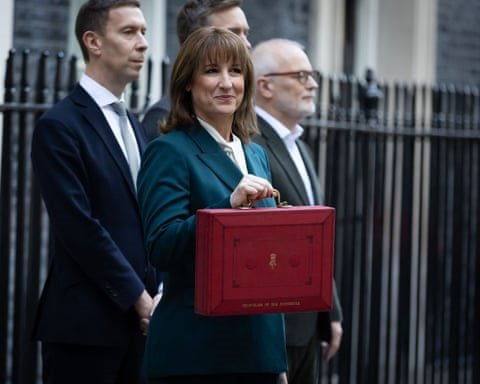
The UK’s wealthiest households are set to bear the brunt of a major fiscal package announced by the Chancellor, who has positioned the measures as necessary to repair public finances while supporting low-income families.
In a budget that will push the UK’s tax burden to record levels, the government has introduced a series of revenue-raising measures including a new council tax surcharge on properties valued above £2 million and an extension of the freeze on income tax thresholds. These moves are expected to draw hundreds of thousands more workers into higher tax brackets over the coming years.
The Chancellor defended the approach, stating that while all would contribute to fiscal repair, those with the greatest means would shoulder the largest share. “I don’t intend to preside over a status quo that punishes children for the circumstances of their birth,” she told Parliament, as she confirmed the abolition of the controversial two-child benefit limit.
The budget includes significant cost-of-living relief, with green levies removed from energy bills and rail fares frozen. Household energy costs are projected to fall by an average of £150 annually starting next April as these charges shift to general taxation.
Financial markets responded positively to the fiscal statement, with government borrowing costs falling as the Chancellor more than doubled her fiscal buffer to £21.7 billion. However, economic forecasters noted that the bulk of the tax increases are scheduled for later in the parliamentary term, creating potential uncertainty about their implementation.
The opposition dismissed the measures as a “Benefits Street budget,” accusing the government of making ordinary people pay for its spending commitments. Meanwhile, government supporters hailed the package as demonstrating traditional values, with one describing it as “a full-blooded Labour budget.”
The Chancellor acknowledged the challenging fiscal landscape, telling colleagues they would need to “win the argument every single day” to secure public support for the measures. Economic forecasts accompanying the budget showed weaker-than-expected growth projections, with average GDP expansion of just 1.5% anticipated over the next five years.