Five men deported by the United States to the southern African nation of Eswatini are being held illegally and denied proper access to their legal counsel, according to their attorneys. The individuals, originally from Laos, Vietnam, Cuba, Jamaica, and Yemen, had all previously been convicted of crimes in the U.S. but had completed their sentences and were living as free men before their removal.
The deportations occurred in July without prior notice. U.S. officials reportedly labeled the men “depraved monsters” and asserted that their home countries had refused to accept them. This claim was directly refuted by Jamaica’s foreign minister, who stated the government has not refused the return of any nationals and is working to facilitate their repatriation.
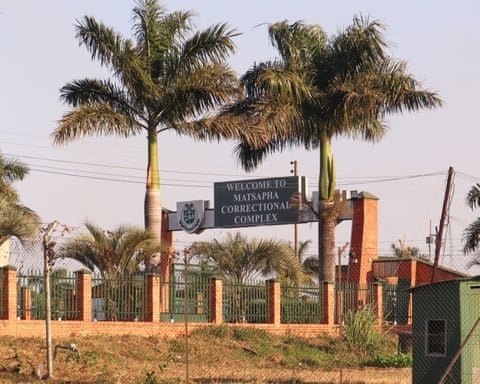
The men are currently being held in the maximum security Matsapha correctional centre. Their legal representatives report being unable to hold private conversations with their clients, who are permitted only one brief video call per week under the supervision of prison staff. A local attorney hired to represent the five has been barred from visiting them in prison.
A legal challenge filed in Eswatini to secure access to the men was delayed when the presiding judge failed to appear for a scheduled hearing.
One of the deportees, a 62-year-old Jamaican man, had legally immigrated to the U.S. as a child in 1976. After serving a 25-year sentence for murder, he was released on parole in 2021 and was employed at a men’s shelter while pursuing a master’s degree. His lawyer stated he had been fully compliant with immigration authorities and had even obtained a Jamaican passport at their request earlier this year.
The other men include a 70-year-old from Yemen who had served 22 years for murder and was released in 2020, a Cuban man in his mid-50s who had completed separate sentences for attempted murder and grand theft auto, and two men from Vietnam and Laos aged 34 and 45.
Attorneys for the men argue the U.S. is “outsourcing their detention” to make a “spectacle of deportations.” A coalition of Eswatini non-governmental organizations has also challenged the country’s acceptance of the deportees on constitutional grounds, citing a lack of parliamentary consultation and violations of the men’s human rights.
The Eswatini government has declined to comment while legal proceedings are ongoing. U.S. immigration authorities have not responded to requests for comment on the matter.