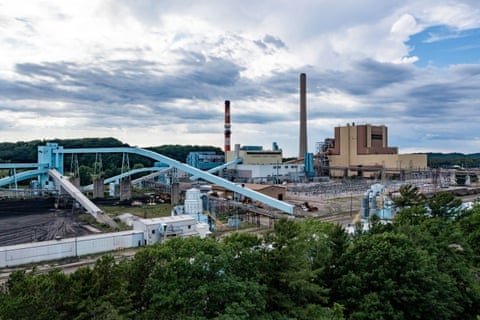
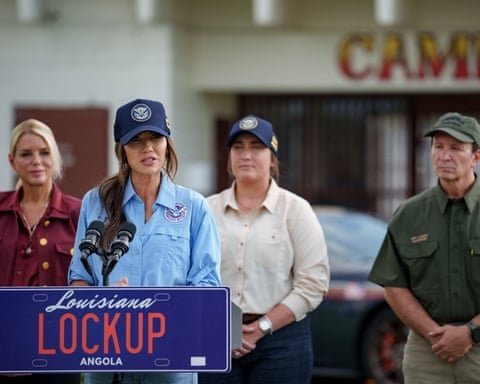
The U.S. government has deliberately selected the Louisiana State Penitentiary, a facility with a long history of violence and harsh conditions, to house immigration detainees as part of a strategy to discourage illegal border crossings.
Homeland Security Secretary Kristi Noem confirmed the decision, stating the prison’s fearsome reputation was a key factor in its selection. The facility, commonly known as Angola, will detain individuals described by officials as the most dangerous immigration violators.
The announcement has drawn sharp criticism from human rights organizations and legal advocates. They argue that placing immigration detainees alongside convicted violent criminals raises serious safety concerns and potential constitutional violations. Critics point to Angola’s documented history of inmate abuse and poor conditions stretching back decades.
Currently, 51 detainees are being held in a separate section of the massive prison complex, with state officials indicating the facility could eventually hold more than 400 individuals. The building housing detainees has been recently refurbished after years of vacancy.
The prison’s new immigration detention area features reinforced fencing and guard towers. Individual cells contain basic accommodations with concrete walls and steel bars. The facility sits within the 18,000-acre prison grounds where thousands of inmates continue to work agricultural fields under armed supervision.
This move represents the latest in a series of immigration enforcement measures by the current administration, which has emphasized strict border control policies. The Angola facility will contribute to a broader expansion of detention capacity authorized under recent legislation.
The prison’s history dates to the antebellum period when it operated as a plantation worked by enslaved people. After the Civil War, it became a state prison where convicts, predominantly African American, were leased to private landowners under conditions critics compared to slavery. The state assumed direct control of the facility in the early 20th century.