A sharp reduction in American humanitarian assistance is having severe consequences for refugee populations in northern Uganda. The funding withdrawal has disrupted essential services, from healthcare to education, and is undermining the stability of settlements that host nearly two million people.
Thousands of families, many having fled protracted conflicts in neighboring South Sudan and Sudan, now face heightened food insecurity and economic hardship. The suspension of programs has forced numerous humanitarian organizations to scale back or cease operations entirely. This has resulted in widespread job losses for local staff and has stripped refugees of critical support for agriculture, small business development, and schooling.
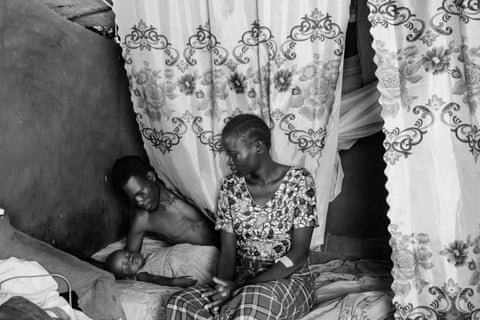
The human impact is stark. Health clinics report shortages of vital medicines, including antimalarials, leading to preventable tragedies. School enrollment has dropped precipitously as families can no longer afford fees once covered by aid. Community workers describe a growing sense of despair, with observed increases in mental health distress and vulnerability to exploitation.
While some emergency aid has reportedly been partially restored, the disruption to long-term development projects has been profound. Initiatives that promoted renewable energy, cooperative farming, and psychosocial support have been halted, reversing previous gains. Educators and aid workers on the ground warn of a “race against time,” concerned that without consistent support, idle youth may be driven toward negative coping mechanisms or recruitment by armed groups.
The situation has prompted calls for alternative funding mechanisms and greater self-reliance. Some observers suggest that African nations may seek more predictable partnerships with other global powers. The crisis in Uganda underscores a broader truth: sustained international investment is fundamental to fostering stability and self-sufficiency in vulnerable regions.