The United States president has indicated his administration’s proposed framework for ending the conflict in Ukraine remains open to negotiation, describing the current terms as “not my final offer” ahead of crucial diplomatic meetings in Switzerland.
Speaking from the White House, the American leader emphasized the urgency of reaching a settlement, stating, “We’d like to get to peace. It should’ve happened a long time ago… we have to get it ended.”
Senior officials from Ukraine and the United States are scheduled to convene in Geneva on Sunday, with security representatives from several European nations expected to participate in the discussions.
The proposal, which has drawn significant criticism from Ukrainian officials and international observers, reportedly requires Kyiv to make substantial territorial concessions, accept limitations on military capabilities, and forego certain international partnerships. Ukrainian leadership faces mounting pressure to respond to the document by Thursday.
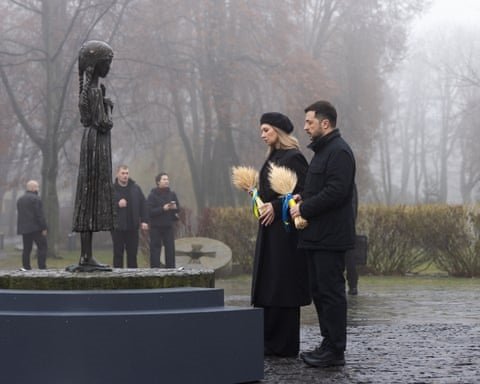
In a national address, Ukraine’s president characterized the situation as presenting an impossible decision between preserving national dignity and maintaining a crucial international partnership. He stressed that any legitimate peace must be founded on “guaranteed security and justice,” while announcing the formation of a negotiating team to represent Ukrainian interests in the upcoming talks.
The Ukrainian delegation includes former defense officials who emphasized their commitment to protecting national interests during the negotiation process. “Ukraine approaches this process with a clear understanding of its interests,” one representative stated, suggesting certain conditions would be non-negotiable.
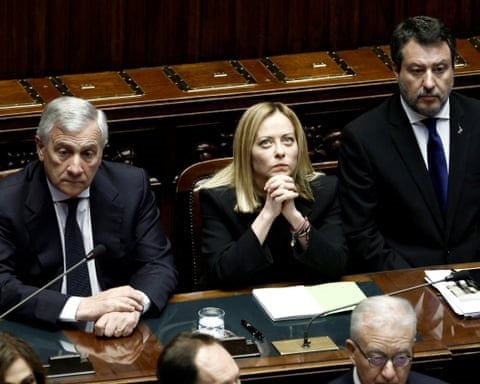
International reaction to the proposed terms has been notably critical. At a recent gathering of world leaders, a joint statement emerged describing the framework as requiring “additional work” and emphasizing the need for broader consultation among European partners.
Within Ukraine, public opinion appears divided. Some citizens expressed determination to continue defending territorial integrity regardless of international support, while others suggested potential compromises might be necessary to preserve vital alliances.
European political figures have voiced strong concerns about the potential consequences of the proposed settlement. One former leader characterized it as catastrophic not only for Ukraine but for democratic principles globally, warning that accepting such terms could encourage further aggression.
Another European statesman drew historical parallels, suggesting the approach risked repeating mistakes of appeasement from previous conflicts.
As diplomatic preparations continue, the Geneva meetings represent a critical juncture in international efforts to resolve the ongoing conflict, with significant implications for European security architecture and the future of international norms regarding territorial sovereignty.