
A new proposal for ending the Gaza conflict, presented by the U.S. administration, is being received in Israel as a near-perfect solution. The plan outlines a path for the return of hostages, the removal of Hamas from power, and the withdrawal of Israeli forces, promising a restoration of normalcy.
A preliminary review suggests the document’s language closely mirrors Israeli government positions, reading more like a list of demands than a product of negotiation. This alignment likely explains the Israeli prime minister’s swift, though nuanced, public endorsement. He notably emphasized that his support did not equate to agreeing to a Palestinian state or a complete military pullout.
However, a closer examination reveals significant gaps. The most glaring omission is the position of Hamas, which has not approved the deal. Some analysts suggest that a rejection from the militant group could even be politically convenient for the Israeli leadership, allowing it to claim a desire for peace while maintaining U.S. support to continue military operations.
Further complications arise from the plan’s lack of detail. It proposes transferring control of “terror-free” zones to an international force but offers no clarity on how such a force would operate within an active conflict area. The document also pledges massive humanitarian aid and reconstruction for Gaza but is silent on the critical questions of funding and which nations or bodies would provide it. Similarly, the composition, command structure, and rules of engagement for the proposed international stabilization force are entirely undefined.
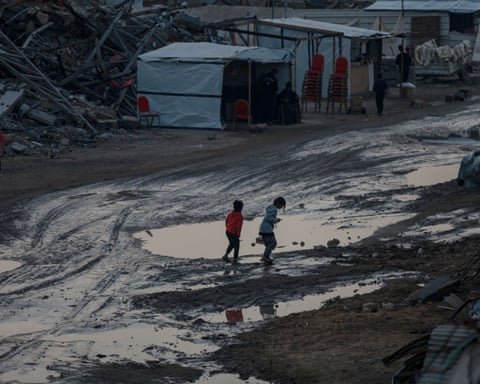
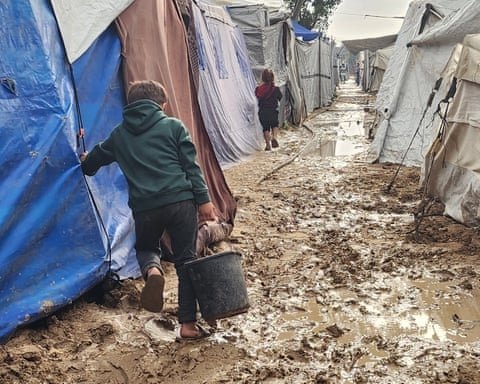
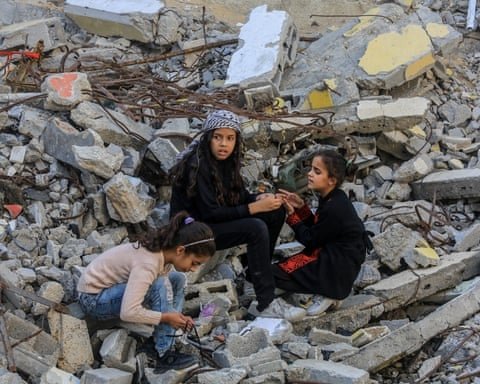
Within Israel, these practical uncertainties are receiving little public attention. The prevailing sentiment appears to be a desire to close the chapter on Gaza and return to the pre-war status quo, with the horrors of the conflict receding from memory. The long-term humanitarian catastrophe in Gaza and the immense challenge of rebuilding appear to be secondary concerns for a public focused on its own security and a return to normality. The plan, in its current form, seems to cater to this outlook, presenting a clean resolution that overlooks the complex and destabilizing realities on the ground.