A new U.S.-backed proposal for Gaza, presented as a path to peace, heavily reflects Israeli objectives and offers Hamas a choice between surrender and continued conflict. The plan, announced after months of delayed U.S. action, calls for the militant group to disarm and release all remaining hostages. In return, it permits Israeli forces to maintain a lasting presence in parts of the territory.
Should Hamas reject the terms, the U.S. president has pledged full support for Israel to continue its military campaign, warning that the group would face severe consequences. This stance comes despite the proposal being drafted without consultation with Hamas or other Palestinian factions.
The dynamic between the U.S. and Israeli leaders has been a focal point. The American president, who has long portrayed himself as a skilled negotiator, initially secured a temporary pause in fighting earlier this year. However, that ceasefire collapsed after two months when Israel resumed hostilities and tightened its blockade.
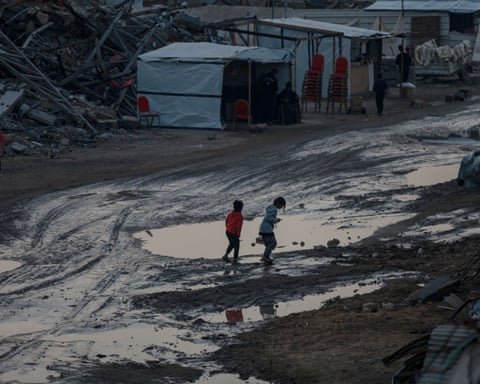
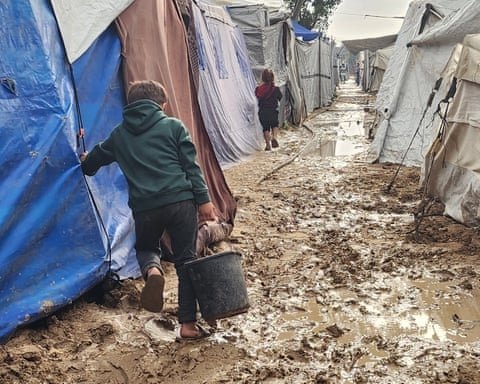
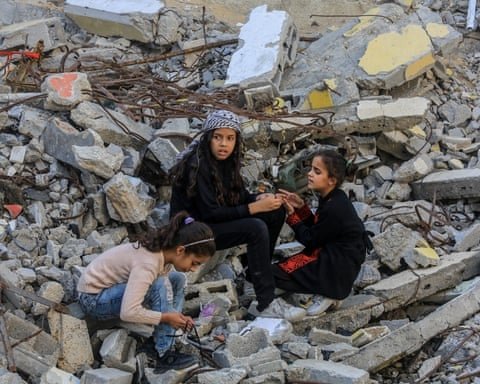
Since the war resumed, the civilian toll in Gaza has remained devastatingly high, with reports indicating the vast majority of those killed are non-combatants. A severe humanitarian crisis, including famine conditions in the north, has persisted.
The Israeli leader has repeatedly leveraged the relationship to secure unwavering American support, even expanding military operations to target other nations in the region. A key moment came when he successfully persuaded the U.S. to conduct airstrikes on Iranian nuclear facilities, briefly drawing America directly into a broader conflict.
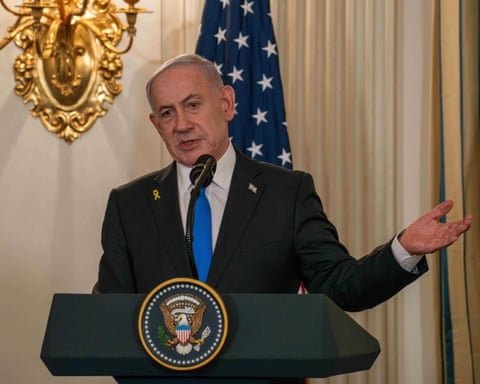
Diplomatic efforts have often been punctuated by personal gestures. During one White House meeting, the Israeli premier avoided public pressure to end the war by instead revealing he had nominated the U.S. president for a Nobel Peace Prize—a recognition the American leader has long felt he deserved.
The current proposal echoes the approach of past agreements negotiated during the previous administration, which also bypassed Palestinian representatives. Advisers with backgrounds in real estate have continued to influence policy, with one official remarking on the perceived real estate value of Gaza’s coastline during the plan’s announcement.
In the final days before the proposal was made public, U.S. envoys spent extensive hours with the Israeli leader, who secured last-minute alterations concerning the timeline and extent of Israeli troop withdrawals. This continued influence suggests the Israeli prime minister retains significant sway over the process, potentially undermining the viability of the latest diplomatic initiative.