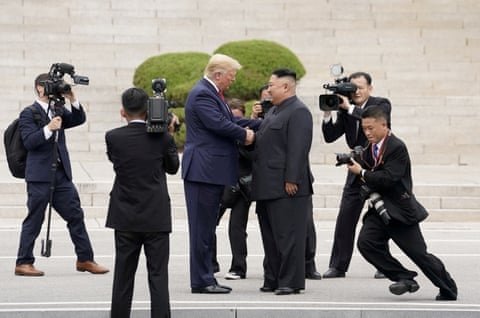
The prospect of a fourth meeting between Donald Trump and Kim Jong-un has emerged, though previous encounters have yielded more symbolic gestures than substantive progress on North Korea’s nuclear program.
During recent discussions with South Korea’s president, Trump expressed openness to re-engaging with the North Korean leader, suggesting talks could potentially occur before year’s end. “I look forward to seeing him,” Trump told reporters, recalling their past interactions positively.
The diplomatic relationship between the two leaders began with unprecedented fanfare in June 2018, when their Singapore summit produced broad commitments toward denuclearization of the Korean peninsula. While Trump celebrated the meeting as a success, experts noted the agreement lacked specific implementation details.
Subsequent meetings revealed the limitations of personal diplomacy. The February 2019 Hanoi summit ended abruptly without agreement, exposing fundamental differences over sanctions relief and denuclearization timelines. North Korea’s position appeared influenced by historical precedents involving other leaders who had abandoned their nuclear programs.
The most visually striking encounter occurred in June 2019 when Trump briefly crossed the military demarcation line into North Korean territory—the first sitting U.S. president to do so. Despite the historic imagery, the meeting produced minimal concrete outcomes.
The diplomatic pause since 2019 has allowed North Korea to advance its weapons capabilities. Recent assessments indicate the country continues developing its nuclear arsenal and missile delivery systems, including technology that could potentially target the U.S. mainland.
Meanwhile, North Korea has strengthened ties with Russia amid the Ukraine conflict, creating additional complications for future negotiations. Even unconventional proposals to break the diplomatic ice appear unlikely to overcome the fundamental obstacles that have prevented meaningful progress through three previous summits.