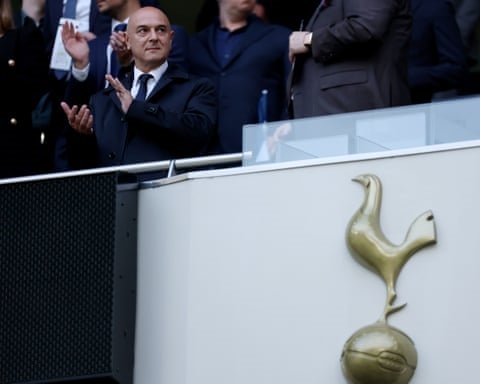
Daniel Levy has officially stepped down from his role as chairman of Tottenham Hotspur, concluding a tenure marked by remarkable commercial achievements but persistent frustration over the club’s on-field results.
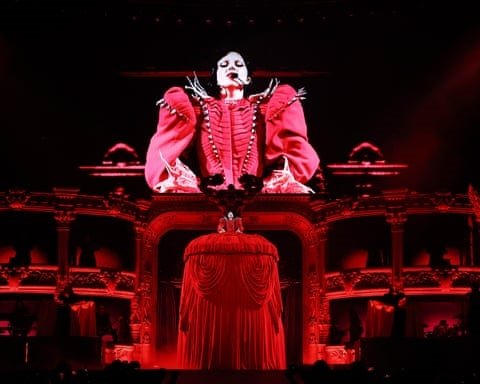
During his 24-year leadership, Levy oversaw the construction of a state-of-the-art stadium widely considered among the finest in the country. He also diversified the club’s revenue streams by hosting major concerts and other sporting events, while maintaining a reputation for financial prudence.
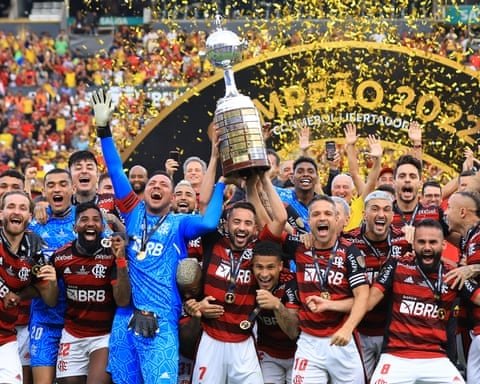
However, this business success was often overshadowed by fan discontent regarding the team’s performance. Despite reaching numerous cup semi-finals and finals, the club secured only two major trophies during his tenure. Supporters frequently questioned the cautious approach to player recruitment and rising ticket prices.
The transition appears to have been in motion for some time, with recent executive appointments suggesting a planned succession. While Levy maintained a significant financial stake in the club, there were indications of shifting priorities, including his recent absence from a European final for family reasons.
The club’s transfer strategy came under particular scrutiny, especially following the departure of key players and periods without significant squad investment. These decisions contributed to managerial instability and limited trophy success despite the club’s modern infrastructure.
Levy’s legacy presents a complex picture—a commercially thriving operation with world-class facilities, yet a football team that consistently fell short of supporters’ expectations for silverware and consistent success. His departure signals a new chapter for the club as it seeks to balance commercial ambition with competitive achievement on the pitch.