
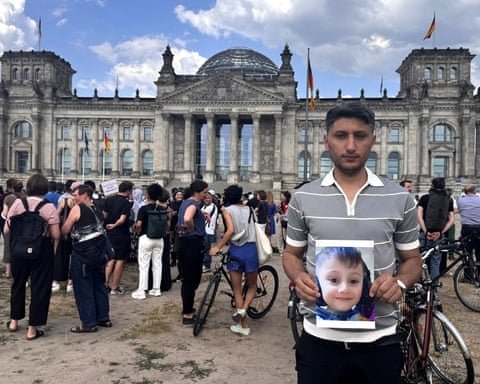
Recent legislative shifts across several European nations are extending family separations for migrants, with documented impacts on mental health and integration efforts. Advocacy organizations report that stricter rules are creating bureaucratic delays lasting years, affecting thousands of individuals seeking to reunite with loved ones.
In Germany, legislative changes enacted in June have suspended family reunification for certain migrant categories for a minimum of two years. One affected individual, who secured employment and legal status after fleeing conflict, described the emotional toll of being separated from his young son. “My child was an infant when I left; now he walks and talks without me,” he shared.
Similar measures have been implemented in Austria, Portugal, Finland, and Belgium, with governments citing pressure on social services as justification. These policies conflict with established international protections for family unity, raising concerns about their alignment with fundamental rights frameworks.
Data indicates these restrictions affect relatively small numbers of migrants compared to overall migration flows. In Austria, approximately 18,000 people, including 13,000 children, arrived through family reunification channels during 2023-2024. Research from Finland shows some families endure separation for up to a decade during the reunification process.
Human rights organizations warn these policies may produce unintended consequences. Limited legal pathways could drive individuals toward irregular migration methods, potentially strengthening smuggling networks and exposing vulnerable people to greater risks, particularly women and children.
The psychological burden of prolonged separation complicates integration efforts, with affected individuals reporting difficulty focusing on language acquisition, employment, and daily activities due to constant worry about family members left behind.
Despite political rhetoric emphasizing family values, critics note the discrepancy when these principles are applied to migrant families. As one advocate observed, “The same political forces that champion family as society’s foundation are leading efforts to restrict this right for specific groups.”
With legal migration channels narrowing, observers anticipate continued migration through dangerous routes as families seek to reunite despite increasing obstacles.