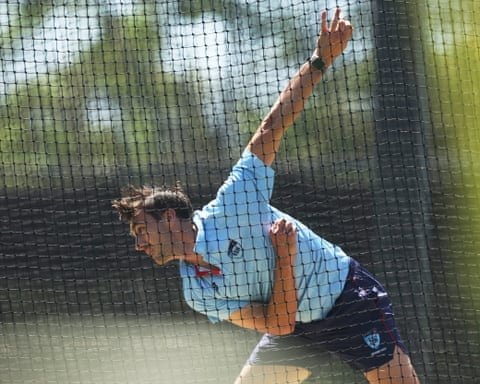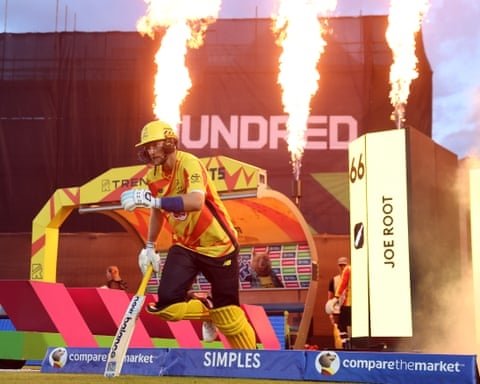
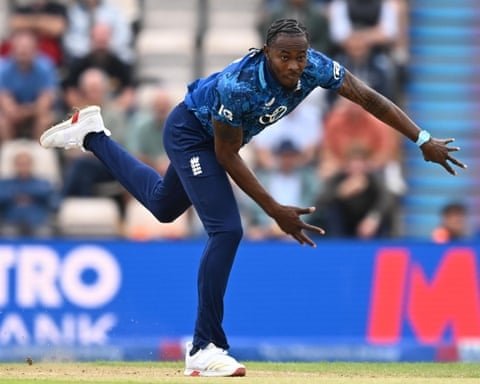
In an era where cricket increasingly favors the batter, with towering sixes and record-breaking totals becoming commonplace, the visceral thrill of genuine fast bowling remains the sport’s most electrifying spectacle. There is a unique, primal drama in watching a bowler operating at peak velocity, a force of nature that recalibrates the balance between bat and ball and captivates audiences like nothing else.
The experience is as much about theater as it is about technique. The sight of a batter, previously dominant, suddenly hopping and fending as the ball whistles past the helmet or grazes the stumps, creates a tension that is palpable. It is a pure contest, stripped back to its most fundamental elements: speed, skill, and nerve.
For the bowler themselves, these rare spells where everything clicks represent a state of flow that is difficult to articulate. It is a feeling of immense power and control, where the body works in perfect harmony and the ball seems to obey every command. Former players often describe it as an almost out-of-body experience, where the strain of the run-up vanishes and the delivery “just flows out.” These moments, they say, are the ultimate reward that makes the physical toll and grueling rehabilitation worthwhile.
The legacy of such bowling spells endures long after the scoreboard is forgotten. Iconic duels between speed merchants and master batters are etched into the sport’s collective memory. They are remembered not for the statistics they produced, but for the raw intensity and psychological warfare they displayed. These passages of play define careers and encapsulate the very essence of top-level competition.
It is this combination of raw athleticism, psychological dominance, and sheer, unadulterated spectacle that secures fast bowling’s unique place in the heart of the sport. As the game evolves, the sight of a bowler in full flight, unleashing thunderbolts, remains an irreplaceable and thrilling core of cricket’s appeal.