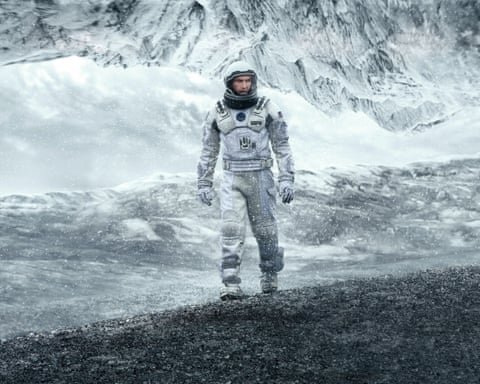
A cinematic phenomenon is unfolding in theaters and online, where a once-divisive space epic has been resurrected as a modern classic. Christopher Nolan’s 2014 film, Interstellar, is experiencing a remarkable second act, transforming from a target of critical scrutiny into a beloved cultural touchstone.
The film’s journey from mixed reviews to adoration is a story of changing times and audience connection. Upon its initial release, the movie faced significant criticism. Reviewers highlighted perceived narrative inconsistencies, while scientific accuracy was debated in academic circles. A pivotal monologue about love was widely parodied. Yet, a decade later, the conversation has shifted entirely. The film now holds the top position for fan favorites on the popular film site Letterboxd, and its powerful organ-driven score by Hans Zimmer has become a ubiquitous, if sometimes overused, presence across social media platforms.
This reversal in public opinion was highlighted earlier this year when a major newspaper’s reader poll placed Interstellar among the top five best films of the century, a stark contrast to its lower ranking by a panel of industry professionals. The initial critical divide was pronounced. Some publications awarded it perfect scores, praising its visual grandeur, while others dismissed its emotional core as cold and calculated. One prominent critic at the time labeled it the director’s “biggest disappointment.”
For many viewers, the film’s power wasn’t immediate but grew over time. Devotees speak of repeated viewings, with some fans having seen it dozens of times, including special trips to IMAX theaters to experience its full scale. They report that the film’s intricate layers reveal themselves upon re-watching, moving beyond a simple space adventure to a profound exploration of love, time, and human connection.
A key element of its renewed appeal lies in its tangible craftsmanship. In an era dominated by digital effects, the director’s commitment to practical sets, miniatures, and large-format film projection is now celebrated. Audiences express a deep appreciation for the palpable effort and physical artistry on screen, which enhances the film’s emotional weight and immersive quality.
Furthermore, the film’s thematic concerns have gained new urgency. Its depiction of a climate-ravaged Earth and humanity’s desperate search for a new home resonates more strongly today than it did eleven years ago. The central themes of time as a finite resource and love as a transcendent force have struck a deep chord with a generation of viewers, many of whom credit the film with altering their personal perspectives on family and life.
The overwhelming sensory experience of the film is also a factor. Its majestic score and breathtaking visuals demand the viewer’s full attention, making it an antidote to the distracted, multi-screen viewing habits of modern life. The consensus among its growing fanbase is that the film was simply ahead of its time, and its status is now being elevated to that of a landmark in science fiction cinema.