
An unexpected feud has captivated the entertainment industry, pitting some of its biggest names against a common suburban foe: the leaf blower. For nearly two decades, a vocal campaign has been waged not over film roles or awards, but against the pervasive noise and pollution of this common gardening tool.
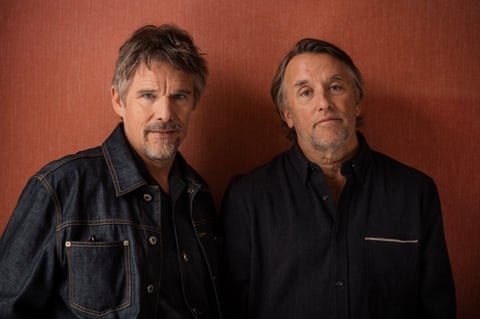
The movement has a prominent champion. For eighteen years, a celebrated, award-winning actor has publicly denounced the devices, labeling them as emblematic of broader societal ills. This disdain has been expressed repeatedly in interviews, on talk shows, and even from red carpets, evolving into a well-known personal crusade that has spawned countless online memes and video compilations.
This celebrity is far from alone. A chorus of other major stars has echoed the sentiment, expressing a shared, visceral hatred. One renowned British actor has suggested particularly severe consequences for users of the machine, a sentiment he has repeated on multiple platforms. Another comedic star has publicly called for an outright ban, deriding the devices as “pointless.” The collective frustration spans decades, with an actress from a popular 1990s sitcom recalling her weekend mornings being ruined by the distinctive, grating sound as far back as twenty years ago.
The backlash is not without scientific merit. Medical experts point to significant health concerns associated with the machines. They are noted for producing extreme noise pollution, with decibel levels that can rival a jet engine and pose a risk of irreversible hearing loss. Beyond the auditory damage, the noise triggers a biological stress response, increasing heart rate and releasing hormones like cortisol and adrenaline, which are linked to long-term cardiovascular risks.
Environmental concerns are also a major driver of the opposition. Studies indicate that the emissions from a single gas-powered leaf blower can be staggeringly high, with some estimates equating a short period of use to an extremely long-distance drive in a heavy vehicle. With advancements in electric car technology, pollution from these small engines is projected to outpace that from passenger vehicles in the coming years.
This has translated into legislative action. Several affluent municipalities in Southern California led the way, instituting bans on gas-powered models as early as the 1970s and 80s. The state government has since enacted a broader ban on the sale of new gas-powered equipment. However, enforcement remains a significant challenge, with offenders often finishing their work and moving on before authorities can respond.
The conflict, however, is not one-sided. The debate highlights a significant class divide. Landscaping companies and their employees, many of whom are immigrants, argue that the tools are essential for their livelihoods. They contend that electric alternatives are less efficient and that their work would become vastly more labor-intensive without them. There is resentment that the same residents who demand pristine, quickly maintained lawns are also the ones decrying the tools required to achieve that standard. Past protests have even seen gardeners staging hunger strikes to oppose punitive bans.
The cultural impact of this conflict has even seeped into filmmaking. The leaf blower has been the central subject of several short films, from coming-of-age stories to horror parodies. Ironically, the machine has also found a place behind the camera, frequently used by special effects teams to create wind, move actors’ hair, and cultivate atmosphere on film sets.
Amidst the fury, a solitary, conciliatory voice has emerged. Another acclaimed actor once shared an anecdote about his father’s fondness for the device, though he acknowledged the disruptive, staccato noise pattern that would likely infuriate the machine’s many celebrity detractors. For the most part, however, the war on the leaf blower continues to rage, uniting Hollywood in a shared, furious contempt.