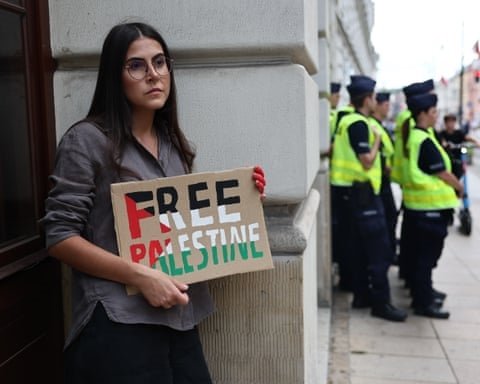
In a world where grim realities stream directly to our phone screens, it is easy to feel overwhelmed into silence. The sheer scale of suffering can make individual actions seem meaningless. Yet history consistently demonstrates that sustained public pressure is the engine of political change, and refusing to surrender to hopelessness is itself a powerful act.
When leaders and institutions fail to uphold fundamental human rights, civic engagement becomes essential. The notion that writing to a representative, joining a boycott, or participating in a protest is futile is a narrative often promoted by those who benefit from public apathy. These actions are frequently dismissed as unserious or ineffective. However, this dismissal itself reveals their potential impact; if such methods were truly inconsequential, they would not be so vigorously mocked and opposed.
Consider the historical record. Major social transformations—from women’s suffrage to civil rights legislation and the end of apartheid—were not gifts from benevolent governments. They were hard-won victories achieved through decades of relentless public campaigning, protest, and strategic pressure. Politicians rarely act on moral principle alone; they respond to mobilized constituencies.
In the digital age, online advocacy has become a new frontier for this pressure. The significant financial investments by governments to shape social media narratives and the legislative efforts to control platforms known for dissenting voices are a testament to the perceived power of digital activism. What may seem like a simple social media post contributes to a broader climate of awareness and solidarity, challenging the normalization of atrocities.
Furthermore, visible symbols of support, from flags in windows to public statements, serve a crucial function beyond direct political pressure. They are a lifeline to those being systematically dehumanized, a signal that they have not been forgotten and that their suffering is witnessed. This solidarity combats the isolation that is a tool of oppression.
The argument that geopolitical issues are too complex for public intervention is a counsel of despair. The fundamental question remains: if you or your family were the ones facing starvation and bombardment, would you want the world to look away in resigned silence, or would you hope for voices to rise in demand for justice and accountability? Choosing to speak up, in whatever capacity one can, is to reject complicity and affirm a commitment to a more humane world.