On a small, historic island in the Venetian lagoon, the future of narrative is being forged. The Lazzaretto Vecchio, a site with a past as a plague quarantine zone, now hosts a cutting-edge exhibition dedicated to immersive and extended reality (XR) art. This event positions itself as the natural evolution of cinema, a new medium coming into its own.
This year’s selection showcases 69 diverse projects, from expansive walk-through installations to intricate virtual worlds experienced through headsets. The work demonstrates a significant leap in ambition and complexity. The narratives have grown more potent, daring, and psychologically intricate, signaling a medium that has moved past its infancy and is now confidently exploring its full potential.
A central theme connecting many of the standout pieces is the exploration of lineage and identity. One project, Ancestors, is a boisterous, communal experience where visitors are organized into family units and shown images of their descendants on synchronized smartphones. The piece powerfully harmonizes its form and content, emphasizing the importance of human connection through a shared, interactive event.
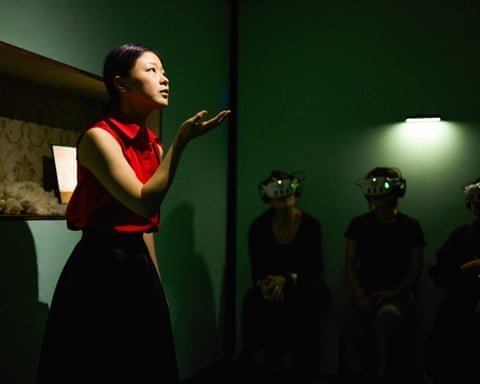
In stark contrast, the critically acclaimed Blur tackles similar themes of cloning and existence through the lens of precision-tooled immersive theatre. The experience is described as provocative and seductive, culminating in a deeply personal encounter where participants come face-to-face with a virtual reality version of their elderly self—a haunting emissary from the future.
Another notable work, Dark Rooms, takes users on an intense, jolting journey through the corners of queer subculture. Co-directed by a team of artists, this rites-of-passage tale moves from underground nightclubs to the open sea, leaving visitors reportedly dazed and moved by its powerful narrative.
The integration of new technology is a point of discussion among creators. The jury president for the event clarified that immersive storytelling is a distinct field from artificial intelligence, countering public misconceptions. She emphasized that AI is a tool for artists, not a replacement for human creativity and taste, and predicted its increased involvement in future projects.
The range of experiences is vast. In a single afternoon, a visitor might transition from an arcade-style interactive game to a wrenching human drama about dementia, and then to a clever historical tour of a city repurposed through an analog slide projector. This diversity requires a willingness from audiences to take a leap of faith, embracing the possibility of failure for the chance of a truly transcendent experience.
Many of the most compelling works feature scenes set in transitional spaces—on moving trains, fragile bridges, and in open elevators. This seems no coincidence. The medium itself is in transit, busily finding its range as it journeys between its past and its future, solidifying its place as the next chapter in the art of storytelling.