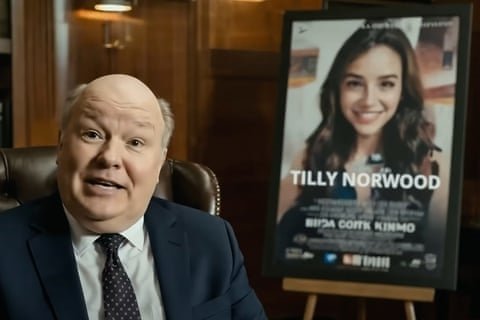
The emergence of Tilly Norwood, a computer-generated performer being promoted as cinema’s next major talent, has ignited fierce discussion about artificial intelligence’s expanding role in entertainment. While technological optimists see potential for innovation, many industry observers express deep concerns about what this development means for creative expression and employment.
From an economic perspective, the appeal to studios is clear. Production companies facing rising costs see AI as a pathway to significant savings. By reducing reliance on human performers and crew, studios could substantially increase profit margins without necessarily raising subscription prices or ticket costs.
Yet significant artistic limitations remain apparent. Current AI-generated performances struggle with emotional depth, comedic timing, and believable interactions between multiple characters. The technology excels at producing individual talking heads but falls short in creating the dynamic exchanges that define compelling storytelling.
The ethical dimensions raise additional questions. The process of digitally constructing an “ideal” appearance through committee decisions prompts concerns about how such manufactured standards might influence societal perceptions of beauty. Furthermore, the very concept of an “AI actor” faces scrutiny since these digital creations still require extensive human support teams for programming, writing, and marketing.
Many industry professionals worry about widespread job displacement, drawing parallels to historical technological disruptions that rendered certain skills obsolete. While some argue that AI represents merely another tool in the filmmaker’s kit, others fear it could fundamentally alter the industry’s employment landscape.
Audience preferences remain an open question. While some viewers might embrace AI-generated entertainment, others express strong attachment to human performers and the creative process behind traditional filmmaking. The suggestion that productions should disclose their use of AI technology has gained traction among those who wish to make informed viewing choices.
As this technology continues to evolve, the entertainment industry faces complex questions about balancing innovation with artistic integrity, economic efficiency with employment stability, and technological possibility with human connection. The conversation surrounding digital performers represents just one front in the broader reconsideration of AI’s role in creative fields.