There are films that transcend entertainment to become emotional touchstones, and the 1971 adaptation of Roald Dahl’s classic remains a singular cinematic achievement. Its power to transport viewers into a world of pure imagination is as potent today as it was over five decades ago.
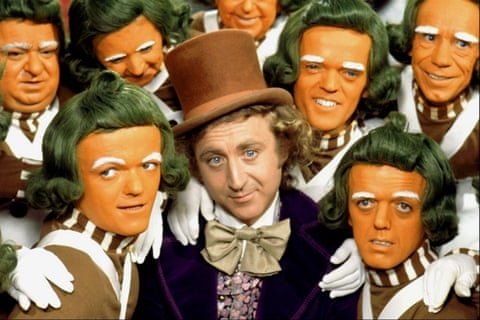
At the heart of this enduring appeal is Gene Wilder’s legendary performance as the eccentric chocolatier. Wilder didn’t just play Willy Wonka—he embodied the character with such conviction that the line between actor and role disappeared. His interpretation brought depth to what could have been a straightforward children’s character, creating a figure who was simultaneously whimsical, mysterious, and profound.
The film’s production details reveal the careful craftsmanship behind the magic. Wilder famously insisted on a specific character introduction—emerging with a cane that he suddenly drops—to establish Wonka’s unpredictable nature from the first moment. This attention to character psychology elevated the entire production, transforming what might have been simple children’s entertainment into something far more substantial.
What makes the film remarkable is how it balances multiple tones without losing its essential charm. The humor ranges from subtle wit to outright absurdity, whether it’s characters facing bizarre consequences for their greed or Wonka’s deadpan reactions to the chaos unfolding around him. The famous boat sequence, with its surreal imagery and escalating tension, demonstrates the film’s willingness to embrace darker themes while maintaining its sense of wonder.
Beyond the memorable set pieces and quotable dialogue lies the film’s central message about the importance of imagination. In an increasingly pragmatic world, the story serves as a reminder that creativity and whimsy aren’t childish indulgences but essential components of a rich life. The factory itself becomes a metaphor for the limitless possibilities that open when we dare to dream beyond conventional boundaries.
The film’s legacy continues to resonate across generations, introducing new audiences to its unique blend of fantasy and wisdom. Its ability to make viewers believe in the impossible—to see magic in polystyrene sets and find profundity in candy-colored rooms—speaks to something fundamental about the human capacity for wonder.
Ultimately, the 1971 film stands as a testament to the power of storytelling to transport us, challenge us, and remind us that sometimes the most important truths come wrapped in the most delightful packages. It remains not just a film about chocolate, but about the sweetness of possibility itself.