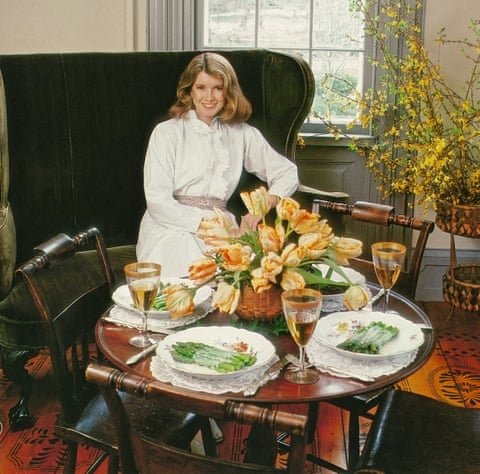
Long before she became a household name, Martha Stewart orchestrated a Hawaiian luau in a Connecticut greenhouse, complete with a flower-adorned suckling pig and clamshell serving dishes. This early catering endeavor, later documented in her 1982 book “Entertaining,” exemplifies a philosophy that continues to resonate: hosting should be an exercise in imagination.
“Entertaining” transcends the conventional cookbook. It is a manifesto for the fantastical, proposing centerpieces of single giant onions and Russian-themed dinners accompanied by balalaika music. While critics might dismiss these ideas as impractical or emblematic of an unattainable lifestyle, such critiques miss the fundamental point. Stewart’s genius lies not in providing a blueprint for replication, but in championing the sheer joy of creative excess.
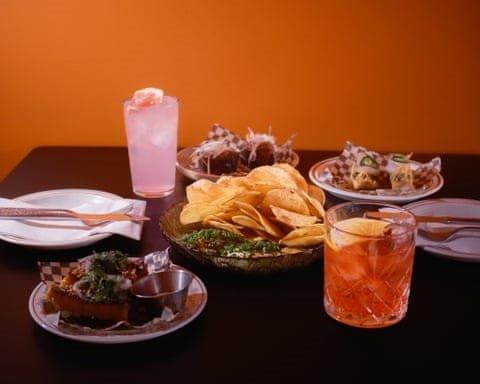
Modern entertaining has swung toward a studied casualness, favoring simple, shareable dishes in a relaxed atmosphere. This is a clear reaction against the perceived ostentation of earlier decades. However, in this pivot toward ease, have we lost a sense of theatrical fun? Stewart’s proposals—from tempura parties to brunches for sixty—remind us that a memorable gathering doesn’t come from mimicking a restaurant, but from embracing the unique, whimsical possibilities of one’s own home.
The book’s recent reissue, over four decades after its initial publication, suggests its themes are finding a new audience. It serves as a potent antidote to hosting anxiety, arguing that the goal is not perfection, but delight. The most enduring lesson from “Entertaining” may be that the best parties are built not on convenience, but on a spark of the spectacular.