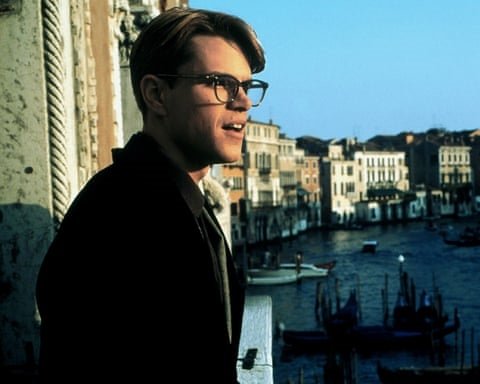
There is a particular magic to discovering a film at sixteen, poised between youthful wonder and emerging adulthood. That was my age when I first encountered Anthony Minghella’s 1999 adaptation of The Talented Mr. Ripley. While already a cinephile, this film’s unique blend of elegance and menace, of beauty shadowed by violence, seized my imagination in a way few others had. On its surface, it is a thriller about queer longing spiraling into murder, yet it has become, paradoxically, a personal comfort watch.
The late director was a virtuoso of atmosphere, and his vision of mid-century Italy is a character in itself. We are swept from the sun-drenched, languid coasts to the tense, grey-stoned cityscapes, seeing this world through the eyes of Tom Ripley. Sent to retrieve a wayward heir, Ripley is a man intoxicated by a life of privilege, and the narrative masterfully pulls the audience into complicity with his darkening mission to remain in that world.
A haunting and playful score underscores Tom’s descent into a web of lies, creating a suspense that is both gripping and deeply melancholic. Beneath its polished surface, the film offers a surprisingly empathetic exploration of unspoken desire—the painful yearning for a golden world that would likely reject one’s true self.
For a young person navigating their own identity at the time of its release, the film’s themes resonated profoundly. Yet, its power extends far beyond that. It is a masterclass in execution, featuring a cast of soon-to-be legends delivering career-defining performances. The lead actor brings a precise, fearless conviction to the shifty protagonist, a role many of his contemporaries might have shied from. His co-stars are equally magnetic: a sun-kissed and loathsome playboy, a boorish and noxious socialite, a patrician fiancée whose warmth is no match for cold manipulation, and a magnificent scene-stealer as a guileless heiress.
Witnessing this at sixteen was electrifying. It shaped my understanding of what film could achieve and felt like a bridge to a new kind of cinema. In today’s landscape, Ripley feels like a relic of a bygone era—an artful, entertaining, and modestly budgeted studio film of a kind now in short supply.
When I return to it now, it is not for solace in its story or a virtual trip to Italy. It is to recapture the giddiness of realizing that such complex, adult-oriented films could exist and that I was ready to appreciate them. In its own shivery, melancholic way, it has become a feelgood movie. It represents Hollywood’s purest potential to enthrall, stir, and transport. One can only hope that a new generation of filmmakers might look to this quarter-century-old masterpiece and find inspiration in its thoughtful craft, its intelligent use of star power, and its calm assertion that literary adaptations can be visceral, sensual wonders. If we cannot all escape to Europe to find ourselves, we can at least let this film take us on a dark, unforgettable dream.