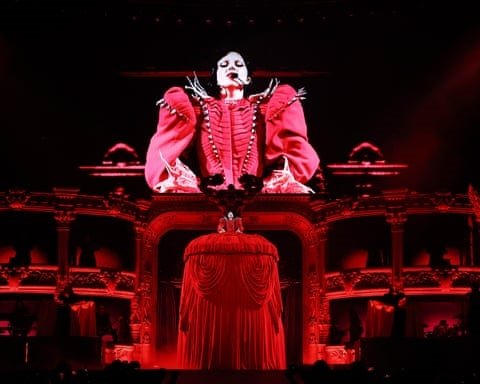
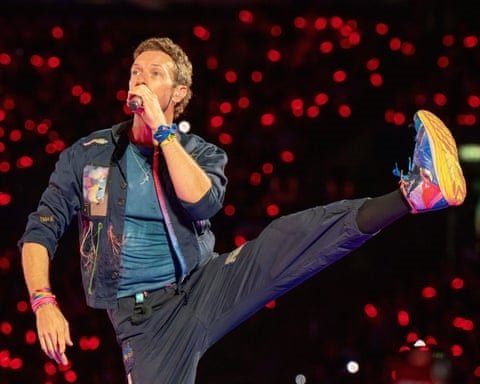
There is an undeniable craft to a Coldplay concert. The spectacle at Wembley was a masterclass in production, a fusion of dazzling lights, 3D visuals, and a truly global cast of musicians. From the powerful rhythms of Femi Kuti to the stirring vocals of Elyanna, the stage felt like a celebration of a connected world. Yet, for all its technical brilliance and inclusive presentation, the event’s core message felt strangely weightless.
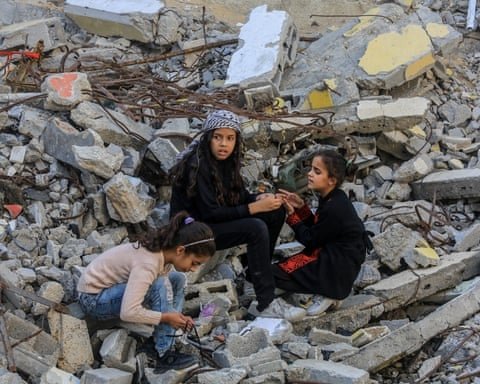
Frontman Chris Martin’s repeated calls for universal love and peace landed with a hollow thud. Urging a crowd to direct positive feelings to all sides of active conflicts, without distinction, is a sentiment that dissolves on contact with reality. Suffering in war is not symmetrical, and a refusal to acknowledge this basic truth renders such appeals meaningless. It was a performance of empathy without the substance, a word salad served under the stadium lights.
This trend of vague benevolence is not unique to one band. Other major artists have similarly paused their sets to deliver platitudes about love and friendship, as if stating the obvious constitutes a moral stance. The performance grinds to a halt for a message that says nothing of consequence. In contrast, a growing number of artists, particularly younger women, are demonstrating what genuine engagement looks like, speaking with clarity and courage about specific injustices, even at the risk of alienating parts of their audience.
The political neutrality of a band like Coldplay, which appeals to a broad cross-section of the public, is a calculated brand position. It is safe, palatable, and commercially sound. Their charitable work on environmental and artistic causes is commendable, but it operates in a space of minimal controversy. When faced with the rising tide of genuine, organized hatred in global politics, these vague appeals to universal love are not just ineffective; they are a form of complicity through silence.
The expectation that pop stars will provide political salvation is a misplaced one. However, in an era defined by stark divisions, the choice to remain in a hazy middle ground is itself a political act. The pursuit of maximum consensus and inoffensiveness, while profitable, does nothing to challenge the forces it claims to oppose. There is a growing need for cultural figures with a platform to move beyond warm fuzzies and take a definitive, well-articulated stand. The times demand more than just a light show.