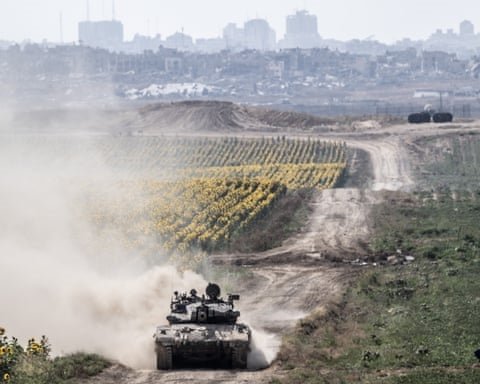
A systematic campaign is underway to eliminate not just a population but the very foundations that sustain life in Gaza. Beyond the immediate human tragedy, evidence points to the calculated destruction of agricultural capacity, water systems, and environmental infrastructure that Palestinians depend upon for survival.
Before the current conflict, approximately 40% of Gaza’s land was under cultivation, enabling significant food self-sufficiency despite high population density. Recent assessments indicate that only 1.5% of agricultural land remains both accessible and undamaged—roughly 200 hectares to support over two million people. This collapse results from deliberate military actions including the bulldozing of orchards, destruction of greenhouses, and aerial spraying of herbicides over fields.
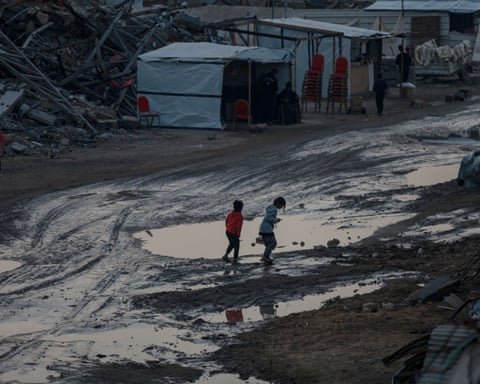
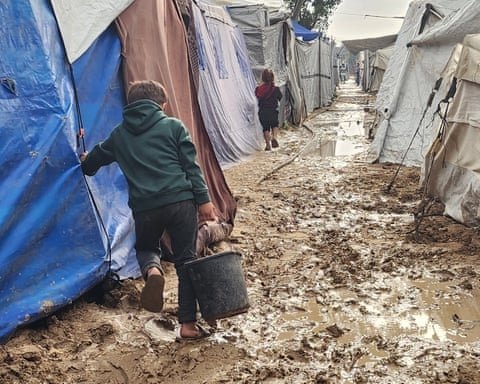
The environmental devastation extends far beyond farmland. Wastewater treatment has collapsed, flooding land with raw sewage and contaminating vital aquifers. Water access has plummeted from approximately 85 liters per person daily to less than six. The critical coastal aquifer faces additional threat from seawater being pumped into tunnels, which could permanently salinate this essential freshwater source.
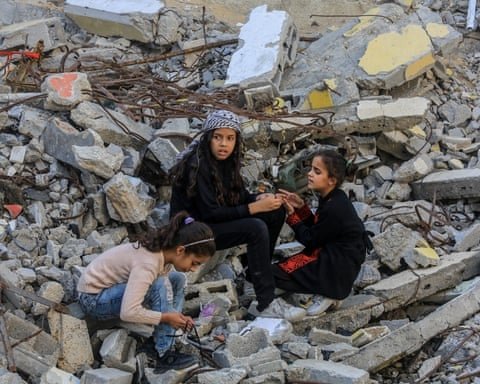
The physical destruction has created an environmental crisis. Each square meter of Gaza now contains an average of 107 kilograms of debris mixed with hazardous materials including asbestos, unexploded ordnance, and toxic chemicals from munitions. Reports indicate the use of white phosphorus, which causes widespread contamination of soil and water systems.
This environmental destruction appears strategically aligned with broader objectives. For decades, the deliberate removal of ancient olive trees—both economically vital and culturally significant—has been used to undermine Palestinian resilience and connection to the land. The current assault represents an escalation of this approach, combining the destruction of agricultural capacity with restrictions on food imports to create famine conditions.
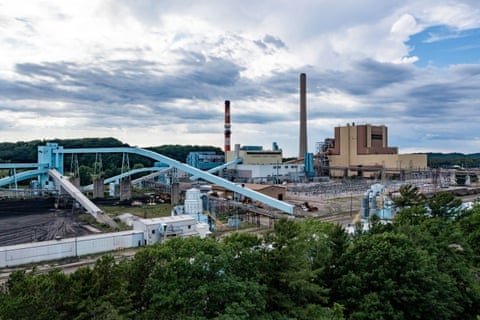
The environmental impact extends globally through massive carbon emissions from military operations and the eventual reconstruction that would produce greenhouse gases equivalent to a medium-sized country’s annual emissions.
What emerges is a comprehensive strategy targeting both people and their habitat—rendering the land incapable of supporting life while systematically eliminating the population. This dual approach violates international legal standards and represents a profound assault on the ecological foundations that have sustained Palestinian society for generations.