
For a brief period at the dawn of the 1980s, a weekly gathering in a Covent Garden basement became the unlikely epicenter of a cultural quake. The Blitz club, operational for less than two years, left a legacy far greater than its short lifespan would suggest. It was more than a nightclub; it was a creative laboratory where the era’s defining music and fashion were born.
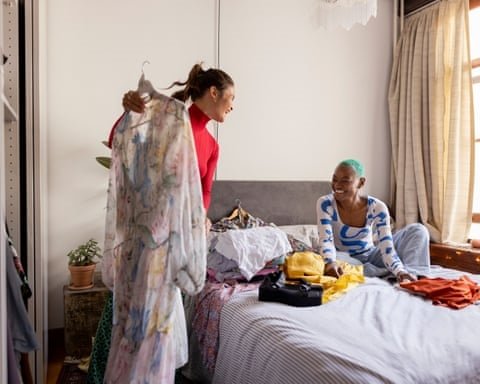
Operating on Tuesday nights, the venue became a magnet for London’s youth. It was here that future pop icons, including the members of Spandau Ballet and a young Boy George, first found their footing. Yet, the club’s true power lay in its sartorial rebellion. In an act of defiance against the drab political and economic backdrop of the time, attendees crafted elaborate personas. Their style was a deliberate collage, mixing 1940s tailoring with theatrical costumes, charity shop discoveries, and gravity-defying hairstyles. The process of getting ready was an event in itself, a three-hour ritual of transformation.
This aesthetic was a conscious evolution from punk. While the do-it-yourself spirit remained, the deliberate ugliness and offensive imagery were replaced by a new pursuit of elegance and romance. The look was postmodern, piecing together fragments of history to invent something entirely new.
The club’s door policy, famously strict, was as much about creating a safe space as it was about exclusivity. In a London that was not widely tolerant, the Blitz provided a sanctuary for those exploring their identities. The fashion was the password, a visual code that protected the club’s queer-friendly, creative community from the outside world.
Today, the story of the Blitz resonates with a particular poignancy. It stands as a testament to a time when subcultures could flourish in cheap urban spaces, a stark contrast to today’s landscape of soaring rents and professionalized vintage markets. The club’s legacy is a powerful reminder of the vital role such spaces play—not just for hedonism, but as essential incubators for art, identity, and cultural change.