
Forget the whip-cracking tomb raiders of blockbuster adventures. A new wave of video games is offering a more authentic form of digital archaeology, one that involves careful observation and interpretation rather than combat.
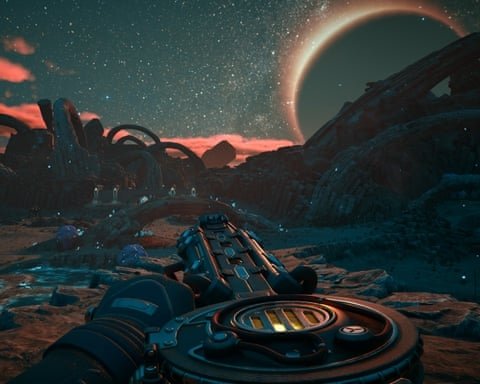
Many modern games use environmental storytelling, inviting players to piece together narratives from the placement of objects, audio logs, and scrawled messages. This process mirrors the work of real-world archaeologists, who analyze material remains to understand past cultures. The experience of exploring a deserted spaceship in Outer Wilds or a decaying mansion in What Remains of Edith Finch is less about action and more about deduction, turning players into investigators of a virtual past.
This connection goes beyond simple exploration. A growing genre of “information games” tasks players with forming theories from fragmented clues. Titles like Return of the Obra Dinn and Heaven’s Vault require players to act as historians and linguists, deciphering events from logs or an ancient language. The core gameplay loop—hypothesize, investigate, confirm—directly parallels archaeological methodology.
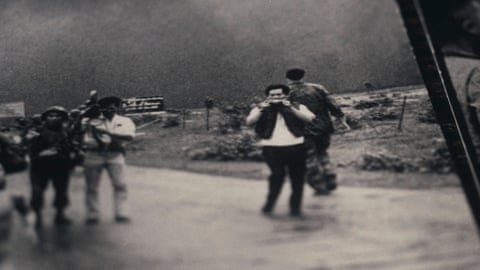
The parallels extend to preservation. Just as archaeologists meticulously record sites, players naturally document their own digital experiences. They take screenshots, draw maps, and keep in-game journals. Some games, such as Season: A Letter to the Future, make this act of documentation the central mechanic. The notes a player takes while navigating the ever-changing rooms of a game like Blue Prince become a unique archaeological record of that individual’s playthrough.
Ultimately, the most compelling archaeological experiences in gaming aren’t found in scripted set-pieces, but in the quiet moments of discovery. They are in the process of interpreting a strange object placement or meticulously logging findings in a journal. These games transform players from mere consumers of a story into active participants in uncovering it, creating a personal record of a digital history that is theirs alone to interpret.