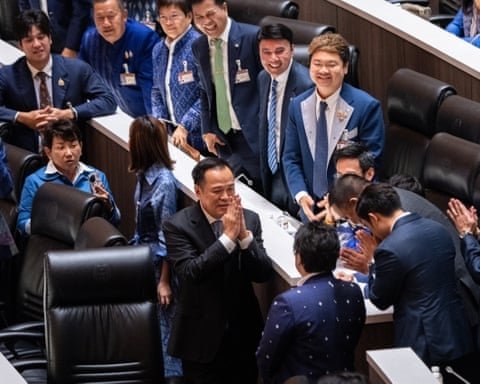
A prominent business leader known for his pivotal role in legalizing cannabis has been elected as Thailand’s prime minister following a period of intense political negotiations. The appointment comes one week after the constitutional court removed the previous head of government over ethics violations concerning a territorial dispute with Cambodia.
The newly installed leader, who previously held multiple cabinet positions including health minister, secured parliamentary support by pledging to organize national elections within four months. His administration has also committed to pursuing constitutional reforms, potentially through public referendum.
The political transition represents a significant development for the nation’s most prominent political family, which has now seen four of its members removed from the prime minister’s office before completing their terms. The family’s patriarch, a former prime minister himself, departed the country abruptly via private aircraft shortly before the parliamentary vote. He maintains he traveled abroad for medical consultations and will return for an upcoming court appearance.
The new prime minister comes from a family-owned construction conglomerate responsible for major national infrastructure projects. During his tenure as health minister, he championed cannabis legalization, though critics argue the policy implementation lacked sufficient regulatory frameworks, leading to widespread recreational use despite official emphasis on medical applications.
Following his election, the incoming leader told journalists he would dedicate himself fully to addressing national challenges, emphasizing his commitment to working without interruption.
The agreement that secured his position required support from a progressive opposition party that otherwise shares little common ground with his conservative political base. The party leadership explained their backing as the most expedient path toward electoral and constitutional reforms, though they will not participate in the governing coalition. Some supporters have expressed skepticism about whether the new administration will honor its commitments.
The vote tally demonstrated substantial parliamentary support for the new leader, who more than doubled the votes received by his opponent, a veteran legal professional representing the previous ruling party.
The political developments compound the challenges facing the former prime minister, whose influence has diminished since his return from extended overseas residence. His controversial political reconciliation with former adversaries has largely unraveled, while his legal difficulties have continued to mount.