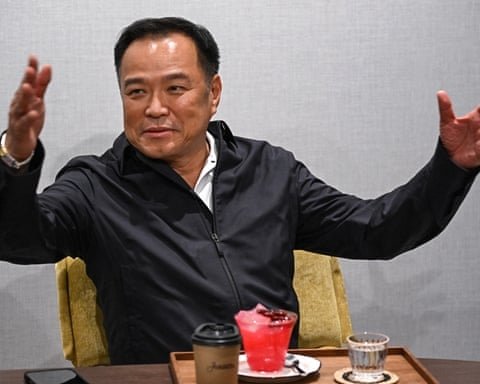
A politician known for his saxophone skills and advocacy for cannabis has been selected as Thailand’s next prime minister. Anutin Charnvirakul secured the necessary parliamentary support to lead the nation, stepping into the role after a period of political instability.
The incoming leader presents a public image of a relaxed everyman, often seen on social media singing karaoke, playing 80s pop tunes on his saxophone, or cooking in casual attire. Beyond these personal interests, he is also a licensed pilot. However, this casual persona belies a sharp political operator from a prominent family with deep ties to the country’s construction industry.
His political party has established itself as a major conservative force in parliament. While the party is not driven by a strong ideological platform, it is a staunch defender of the nation’s powerful monarchy. Following the last general election, his party’s lawmakers were instrumental in blocking a rival, pro-reform group that had won the most seats from forming a government, citing the rival’s stance on the country’s strict royal insult laws.
The politician has previously held several high-level cabinet positions, including health minister, during which he oversaw the decriminalization of cannabis. The policy was implemented rapidly and proved controversial, leading to a surge in cannabis retail outlets. He has maintained that the focus was always on medical use, but the initial regulatory vacuum caused public concern and later rule changes created significant uncertainty for small business owners.
His rise to the premiership was made possible by a fractured political landscape. The country’s largest party was unable to put forward a candidate for the top job due to a court ruling, and the second-largest party saw its own prime ministerial candidates disqualified by the judiciary.
His appointment was finalized only after the largest party’s lawmakers agreed to back him in exchange for a commitment to hold a new election within four months and to consider a public referendum on constitutional changes.
With a limited timeframe before a potential election, the new prime minister has pledged to work without rest. The political establishment will now watch to see if he honors his commitments in a system known for its volatile alliances.