DAR ES SALAAM — Tanzanian authorities are confronting widespread protests as the nation votes in a presidential election marked by the systematic exclusion of major opposition candidates and reports of a government-imposed internet blackout.
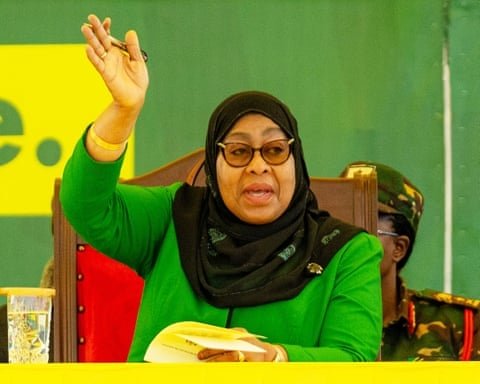
Incumbent President Samia Suluhu Hassan appears positioned to secure another term following the disqualification of her primary challengers. The electoral process has been marred by allegations of repression, including the abduction of government critics and restrictions on digital communications.
Social media footage circulating before the internet disruption showed demonstrators clashing with security forces in the commercial capital, with at least one petrol station set ablaze. The global internet monitoring organization NetBlocks confirmed a nationwide service outage coinciding with the voting.
President Hassan, who assumed office in 2021 following the death of her predecessor, initially signaled a more open political environment by lifting bans on public assemblies and engaging with opposition figures. However, her administration has since been accused of reverting to authoritarian tactics that characterized previous governments.
The lead-up to Wednesday’s vote saw the disappearance of several prominent government critics, including a former ruling party insider who had become a vocal opponent. Opposition parties have documented over 200 cases of enforced disappearances since 2019, though authorities have dismissed many reports as fabricated.
Two major opposition parties were barred from fielding presidential candidates, with one leader facing treason charges and another disqualified on technical grounds. This leaves Hassan competing against lesser-known contenders from minor political organizations.
Analysts describe the current political climate as deeply polarized, with the absence of credible opposition making this the least competitive election since multiparty politics resumed in 1992. The ruling CCM party has maintained power since independence, establishing one of Africa’s longest continuous political dynasties.
Despite the political tensions, Hassan’s campaign has emphasized economic achievements under her leadership, including sustained growth and stable prices. She has promised to expand social services and create more inclusive economic opportunities if returned to office.
With over 37 million registered voters participating in simultaneous presidential, parliamentary and local elections, the outcome is expected to shape Tanzania’s political trajectory for years to come. International observers continue to monitor the situation as results are tallied amid ongoing security concerns.