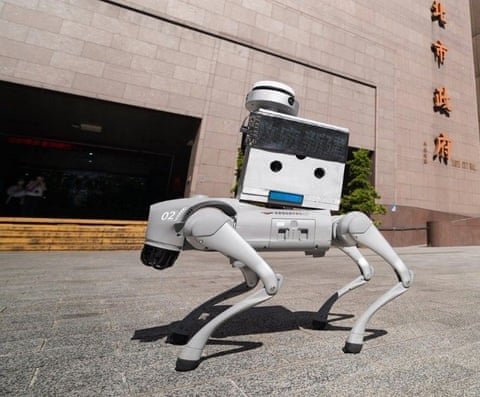
A controversial robot dog deployed for street patrol duties in Taipei has sparked a major security debate after officials confirmed the unit was manufactured by a China-based company with military connections. The revelation has prompted accusations that municipal authorities have compromised citizen safety through their procurement choices.
The robotic unit, introduced as a new tool for urban maintenance inspections, utilizes advanced optical scanning technology to generate comprehensive street-level imagery and identify infrastructure issues. However, opposition figures quickly raised alarms after identifying the machine as a product of Unitree Robotics, a Chinese firm previously flagged by international security analysts for its dual-use technology applications.
Critics have characterized the acquisition as a serious breach of security protocols, comparing the surveillance-capable robot to a modern Trojan horse. They argue that data collected during patrol operations could provide valuable intelligence to foreign entities, particularly given ongoing geopolitical tensions in the region.
Municipal officials have defended the purchase as a limited trial program, noting that only a single unit was acquired through a subcontracting arrangement. They emphasized that while the robot chassis originated from the Chinese manufacturer, the integrated camera systems were developed domestically. The city’s public works department has since paused further deployment pending a comprehensive security review.
Security experts have joined the chorus of concern, noting that detailed urban mapping data represents particularly sensitive information that could have strategic military applications. They’ve urged authorities to consider alternative domestic robotics projects currently under development.
The controversy highlights the ongoing challenges facing Taiwanese municipalities as they balance technological innovation with national security considerations, particularly when sourcing equipment from companies with ties to geopolitical rivals. City leadership has acknowledged the concerns and indicated that further discussions with central government agencies will determine the program’s future.