The city of El Fasher, the final military bastion in Sudan’s Darfur region, has been captured by the Rapid Support Forces (RSF), triggering a wave of violence so severe that evidence of the bloodshed is visible from space. The fall of this last stronghold marks a grim turning point in the country’s protracted conflict.
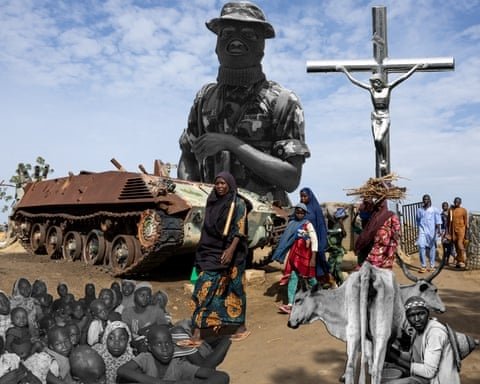
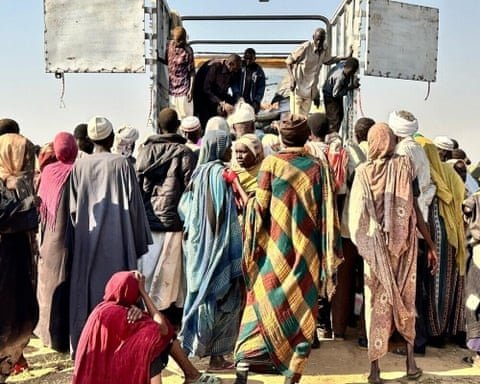
Reports emerging from the city describe a scene of carnage. Mass killings are underway, with accounts of hundreds of civilians, including patients and their families in a single maternity hospital, being summarily executed. Survivors who managed to escape speak of militiamen showing no mercy, with one commander explicitly stating their mission was “only killing.”
This catastrophe follows an 18-month siege that trapped hundreds of thousands of people, reducing the population to starvation and cutting off escape routes under the constant threat of death and sexual violence. The RSF, a paramilitary force with roots in the Janjaweed militias of past conflicts, has now solidified its control over western Sudan.
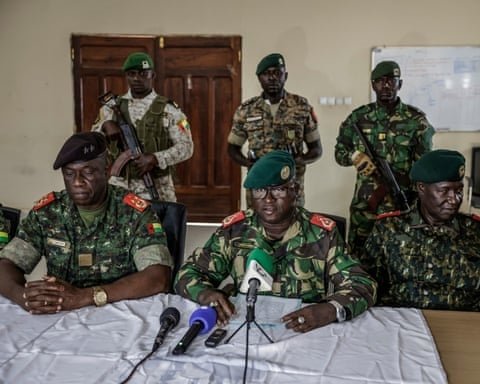
The conflict, now entering its third year, pits the RSF against the Sudanese Armed Forces (SAF). What began as a power struggle between two former allies has escalated into a full-scale war between two heavily armed factions, both possessing significant arsenals and external supply lines. The human cost is staggering, with millions displaced and tens of thousands killed.
International observers have drawn stark comparisons between the speed of the killings in El Fasher and the early hours of the Rwandan genocide. The RSF is accused of conducting a systematic campaign of ethnic targeting against non-Arab populations in Darfur, a brutal repetition of historical patterns but with modern, more lethal weaponry.
This military capacity is widely reported to be bankrolled by the United Arab Emirates (UAE), a key international backer of the RSF. This external support has prolonged and intensified the war, with the UAE securing economic and strategic interests in return. Meanwhile, other global powers, allied with the UAE, have been accused of applying insufficient pressure to halt the flow of weapons.
The international community faces a crisis unfolding in plain sight. With the situation in El Fasher descending into a killing field, the failure of nations with leverage to act decisively raises profound moral and political questions. For the trapped civilians, every moment of inaction costs more lives.