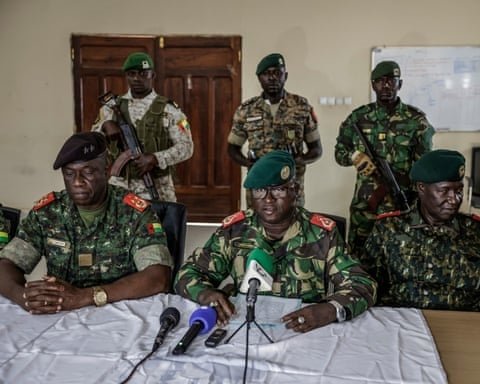
Sudan is engulfed in a devastating conflict, now in its third year, that has shattered the nation and inflicted immense human suffering. The fighting is not a traditional civil war but a brutal power struggle between two military forces: the official Sudanese Armed Forces (SAF) and the paramilitary Rapid Support Forces (RSF).
The roots of this crisis are deep. For decades, political and economic power in Sudan was concentrated in the hands of a small elite, leaving regions like Darfur marginalized and plagued by resource conflicts. This history of localized violence fostered the growth of armed groups, culminating in the formalization of the RSF, which was originally mobilized to suppress rebellion.
The more immediate trigger was the 2019 popular revolution that ousted long-time ruler Omar al-Bashir. The uprising aimed not only to remove a dictator but to end the military’s dominance over Sudanese politics. A fragile power-sharing agreement between the military and civilians quickly collapsed. The SAF and the RSF, once allies, turned against the pro-democracy movement and then on each other, each vying for ultimate control of the state.
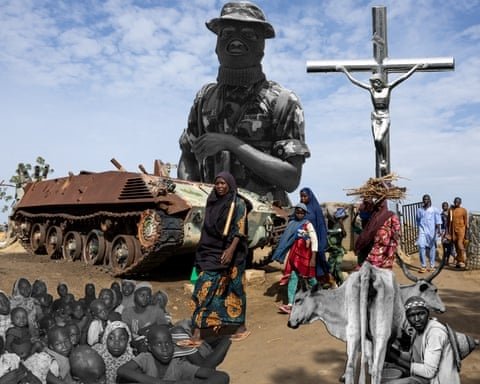
The human cost of this battle is catastrophic. Millions have been displaced and hundreds of thousands are feared dead. The conflict has been marked by widespread sexual violence and a severe humanitarian crisis, with famine stalking the population. The RSF has been accused of systematic massacres in Darfur, re-opening the wounds of a genocide from two decades ago. The recent fall of El Fasher, a major city in Darfur, has effectively split the country in two, with the RSF controlling the west and the SAF holding other territories.
International response has been woefully inadequate. The war is often described as “forgotten,” but a more accurate description is that it is being ignored. Critical humanitarian aid is severely underfunded. While the conflict is sometimes framed as a proxy war, the United Arab Emirates stands out as a primary external actor, reportedly supplying the RSF with funds and weapons in a bid to secure influence over the gold-rich and strategically located nation.
The path forward remains bleak. Neither side appears capable of delivering a decisive military victory, and there is little international will to force a resolution. For the people of Sudan, the dream of a return to normalcy feels increasingly distant, replaced by the grim reality of a nation torn apart by an existential battle for power from which there seems no easy escape.