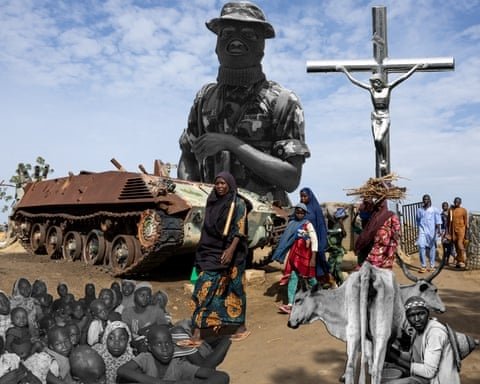
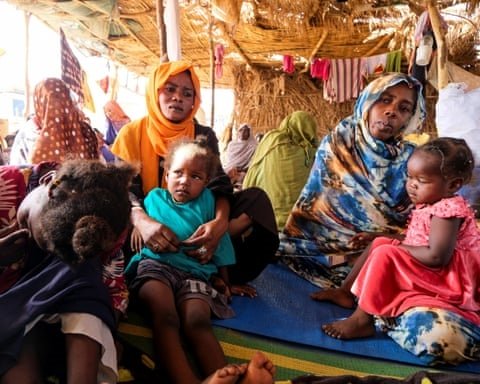
The city of El Fasher stands as a grim testament to a conflict the world has chosen to overlook. For over 500 days, this urban center in Darfur has been under a brutal siege, trapping an estimated 260,000 civilians in a nightmare. Their options are nonexistent: remain in the city and face starvation and airstrikes, or attempt an escape and risk death, rape, and robbery at the hands of militias.
This humanitarian catastrophe is the epicenter of a civil war that has raged for nearly two and a half years, creating the planet’s largest displacement crisis. Yet, international focus has been diverted by other conflicts, leaving millions of Sudanese to suffer in the shadows. Recent diplomatic efforts, including a US-led call for a three-month truce to facilitate aid, have emerged, but for the people of Darfur, these actions feel tragically delayed.
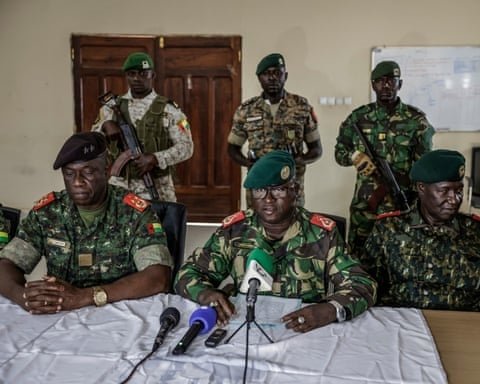
The scale of the suffering is almost incomprehensible. Approximately 150,000 people are believed to have been killed, while 12 million have been forced from their homes. Nearly 25 million now face acute hunger. The paramilitary Rapid Support Forces (RSF) have been accused of genocide, and both sides in the conflict stand accused of committing severe war crimes.
The war’s devastating longevity is fueled by external powers. While nations publicly call for peace, their allegiances and alleged military support to the warring factions pour fuel on the fire. This external interference complicates already fraught peace prospects. Military gains by the national army in the capital appear to have only intensified the RSF’s campaign in Darfur, with some analysts suggesting the militia’s goal may be the partition of the country.
The international community’s response has been criticized as insufficient, with some powers accused of prioritizing strategic alliances over decisive action. The crisis in Sudan signals a dangerous global trend where military aggression is increasingly met with impunity, and regional rivalries are exported onto battlefields far from home. The fate of El Fasher is not just a local tragedy; it is a bellwether for the future of Sudan and the stability of an entire region. The world’s continued inaction carries a heavy and growing cost.