MOGADISHU—Islamist militants have capitalized on Somalia’s fractured political landscape to regain significant territory across central regions, bringing fighting within striking distance of the capital and forcing thousands from their homes in recent months.
Residents describe a climate of fear as the armed group advanced through multiple districts, reversing gains made by government forces and allied militias just two years earlier. By July, the fighting had reached within 40 kilometers of Mogadishu, though the capital has since stabilized behind reinforced defensive lines.
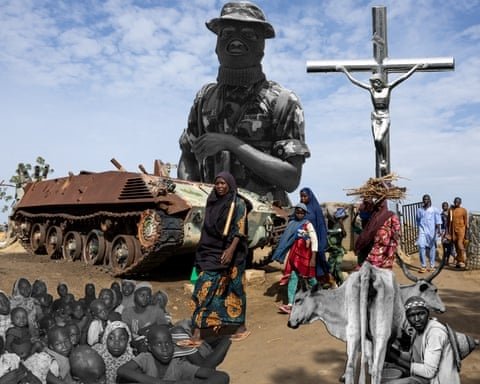
“The terror became unbearable,” recounted one woman who fled her hometown with her husband and nine children after militants approached. “We heard they were coming closer each day until we had no choice but to abandon everything.”
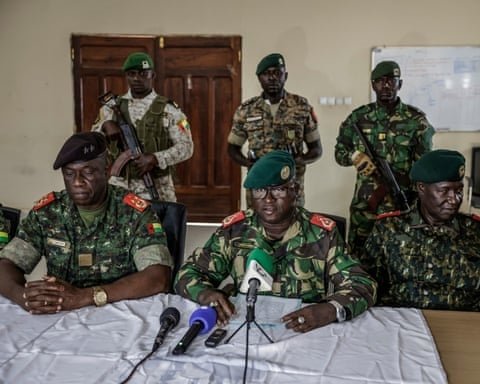
Security analysts describe the current situation as a strategic impasse. While government forces have halted the militant advance with substantial international support, the insurgents maintain control over numerous rural areas and smaller towns. The standoff persists despite intensified airstrikes and foreign military assistance from several nations.
“The balance depends entirely on external support,” noted a regional security expert based in Mogadishu. “Without international troops and air power, the situation would deteriorate rapidly. We’re facing a prolonged confrontation.”
The offensive has exposed critical weaknesses within Somalia’s security apparatus and highlighted deep political divisions that complicate counterinsurgency coordination. Observers point to these internal fractures as enabling the militants’ rapid territorial gains.
Veteran soldiers express growing concern about morale and resources. “They fight with religious conviction while many soldiers just want to survive and support their families,” said one army veteran who has served in multiple combat zones. “The militants are moving supplies freely through captured territories, putting more regions at risk.”
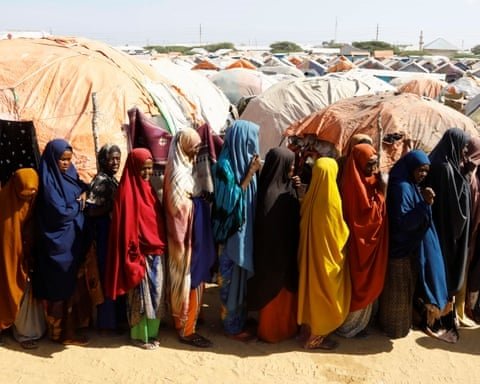
The human cost continues to mount as displaced families struggle with uncertain futures. “There’s no greater pain than becoming a refugee in your own country,” said another woman now sheltering in a government-held town. “We dream of returning home, but nobody knows when that might be possible.”
With political reconciliation remaining elusive and international funding uncertain, security experts warn the conflict may intensify further unless underlying governance issues are addressed.