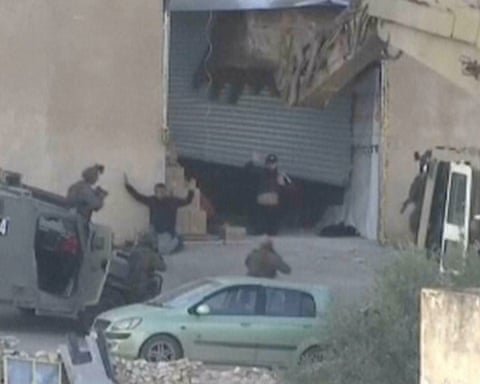
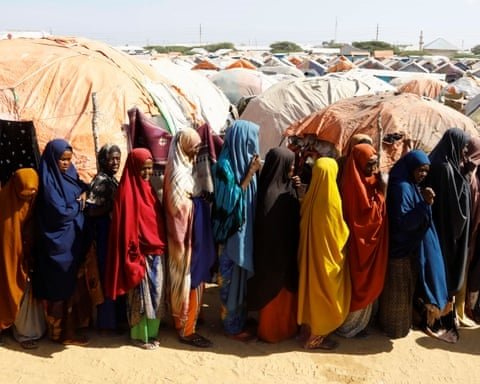
A renewed offensive by an Islamist militant group has reversed significant military gains in Somalia, pushing government forces onto the defensive and displacing thousands of civilians. The militants have recaptured all territory lost in a previous campaign and have advanced to within 40 kilometers of the capital, Mogadishu.
The speed of the militant advance has shattered the morale of Somalia’s fragmented security forces. One veteran soldier, who has been wounded twice, described the challenge of fighting an adversary motivated by ideology, while many government soldiers are focused on survival and receiving their salaries. He expressed grave concern that the capture of strategic towns has allowed the militants to move fighters and supplies freely, putting vast areas of south-central Somalia at risk.
Analysts describe the current situation as a strategic stalemate. The militants are not currently seeking to capture the capital but have consolidated control over numerous smaller towns and rural areas. The stalemate is expected to persist as long as the government remains dependent on foreign military support.
The primary cause of the security collapse is widely attributed to the country’s deeply fragmented political landscape. Significant divisions between the federal government and regional authorities have severely hampered coordinated counter-terrorism efforts, creating an environment the militants have effectively exploited.
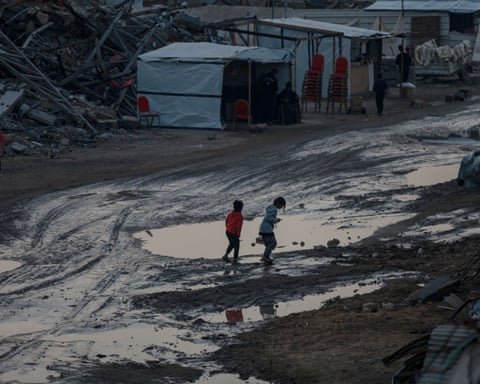
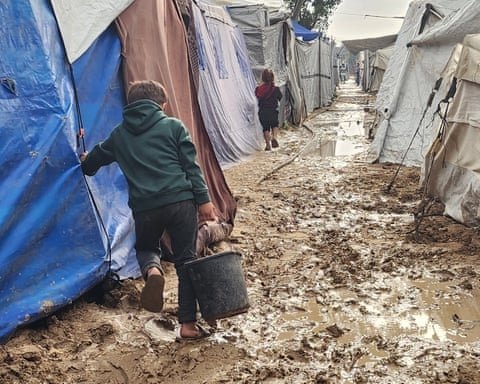
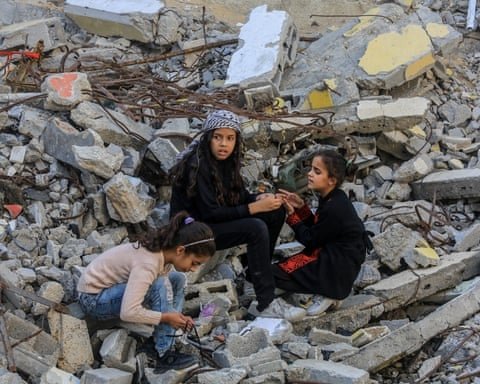
For civilians caught in the conflict, the human cost is immense. Many have been forced to flee their homes with only what they can carry, undertaking perilous journeys on roads feared to be mined. One displaced woman now living in a government-held city described the profound distress of feeling like a refugee in her own country, holding onto a fragile hope that she may one day be able to return home.