The gaming landscape has been fundamentally altered by the arrival of a single title. Hollow Knight: Silksong, the long-awaited sequel from the tiny Australian studio Team Cherry, has not only met towering expectations but has reshaped conversations about what an independent game can achieve. Its launch was a cultural moment, overwhelming digital storefronts and capturing the collective imagination of players worldwide.
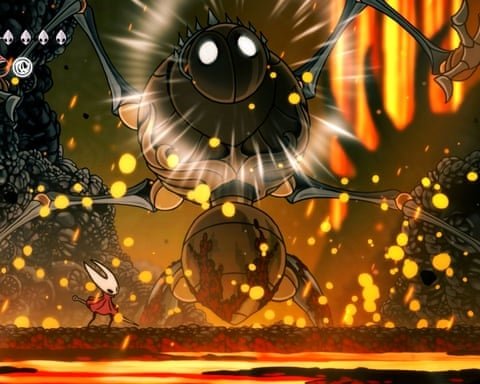
At its core, the game presents a hauntingly beautiful subterranean world, a labyrinth of caverns and insectoid kingdoms that demands exploration. Players control a nimble, needle-wielding protagonist navigating this atmospheric realm. The experience masterfully blends the exploratory progression of classic “Metroidvania” titles with the exacting, pattern-based combat of modern challenging games. This combination, paired with a uniquely somber art style and flawlessly responsive controls, creates an experience that stands distinctly apart from its peers.
The journey to this release was exceptionally long. Initially conceived as additional content for the first Hollow Knight—a 2017 sleeper hit that eventually sold millions—the project grew in ambition over seven years of development. This extended timeline was a luxury afforded by the immense success of its predecessor, a financial cushion most small studios can only dream of. While many developers operate under strict publisher deadlines, Team Cherry had the rare freedom to refine their vision without external pressure.
Public anticipation for the game reached an almost unprecedented level, evolving into an internet phenomenon. For years, the question “Where’s Silksong?” became a ubiquitous comment across gaming forums and live streams, building a mythos around the title even among those who had never played the original. This groundswell of hype was so powerful that it influenced the wider release calendar, with several other games delaying their launches to avoid direct competition.
Crucially, the final product has justified the wait. The game’s difficulty is a core feature, not a flaw. The profound satisfaction of overcoming a seemingly insurmountable challenge after numerous failed attempts is central to its appeal. This is not a game for everyone; its deliberate pacing and demanding gameplay can be bewildering to some. Yet for its dedicated audience, these very elements are what make victory so rewarding.
Other Gaming Highlights
For players seeking an alternative, the re-release of Pokémon Legends: Arceus on newer hardware offers a compelling, revitalized experience. The game casts players as a field researcher in a historical setting, focusing on exploration and observation of creatures in the wild. Technical improvements have smoothed over the performance issues that plagued its initial launch, finally delivering on the promise of its novel premise.
In industry news, a legal dispute has emerged over a collection of rare Sega development hardware and prototype games, raising complex questions about the preservation of video game history. Meanwhile, the cancellation of a high-profile spy game reboot has resulted in studio closures and layoffs, underscoring the persistent volatility within major game development.
On the Use of Guides
A common dilemma for players facing a game’s difficult sections is whether to seek outside help. Consulting a walkthrough is a perfectly valid strategy, especially in an era where gaming is often a communal experience. Many complex titles are designed with the assumption that players will share knowledge. Guides can serve as a gentle nudge in the right direction, preserving the joy of discovery while preventing frustration from halting progress entirely. They are a tool for enhancing enjoyment, whether by mitigating tension in a horror game or unlocking hidden content after the main story is complete.