Moscow acknowledged potential economic repercussions from newly imposed Western sanctions, even as it vowed not to yield to international pressure. The measures specifically target Russia’s primary oil exporters, raising concerns about the country’s main revenue source.
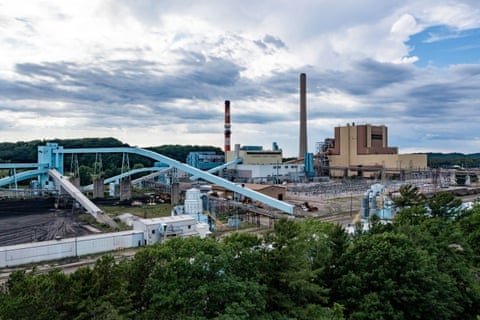
The United States has taken action against Russia’s two largest oil producers, Rosneft and Lukoil, along with numerous affiliated companies. These entities collectively handle nearly half of Russia’s crude oil exports. The European Union simultaneously approved a gradual prohibition on Russian liquefied natural gas imports and expanded its sanctions list to include additional international companies.
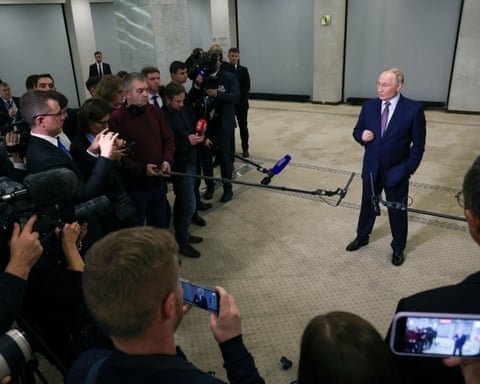
The Russian leadership characterized these measures as “unfriendly actions” that would prove ineffective. “No nation with self-respect makes decisions under coercion,” stated the country’s leader during remarks to domestic media. While maintaining that the sanctions wouldn’t significantly impact Russia’s economy, officials conceded that “some losses are anticipated.”
Early indications suggest Russia’s major energy customers are reassessing their import strategies. India’s largest private oil purchaser hinted at potential reductions in Russian crude acquisitions, stating they would align with government directives. Meanwhile, Chinese state-owned energy corporations have reportedly suspended spot purchases of Russian oil due to compliance concerns.
These developments present substantial challenges for Moscow, given that energy exports constitute approximately one-fifth of the national economy. Both China and India had previously dismissed Western pressure to limit Russian energy imports, benefiting from discounted crude prices that helped stabilize their domestic energy markets.
Russian authorities warned of potential countermeasures if the situation escalates, particularly regarding military support to Ukraine. “There would be a substantial, potentially overwhelming response to any attack using American missile systems,” one official noted.
Energy analysts observed that the sanctions would likely complicate Russia’s oil trading operations, forcing companies to utilize more complex shipping arrangements and intermediary networks. This could substantially increase operational costs while reducing profit margins.
The effectiveness of these measures may depend on enforcement rigor, particularly whether secondary sanctions will be applied to companies continuing business with targeted Russian entities. Moscow has previously demonstrated adaptability in circumventing restrictions through alternative trading mechanisms and specialized shipping networks.
Despite the economic pressures, Russian officials expressed continued openness to diplomatic engagement. “Communication remains preferable to military confrontation,” one statement noted, though other government representatives adopted more confrontational rhetoric, describing the sanctions as “acts of war.”
The full impact of these measures will become clearer when restrictions take full effect in the coming weeks, providing Russia with limited time to develop alternative export strategies and adjust to the new economic landscape.