Seoul is experiencing a significant increase in public demonstrations directed against China, coinciding with the country’s preparations to host a major international economic summit. The timing presents a considerable diplomatic challenge for the South Korean government.
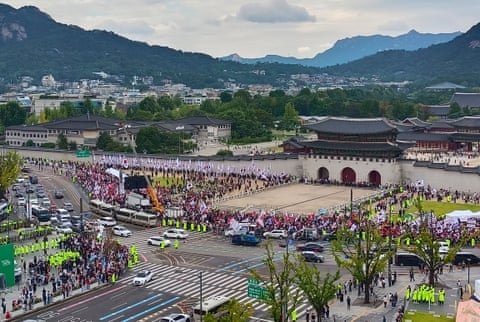
Large-scale protests have become a regular occurrence in the city center, with participants displaying national flags and employing slogans such as “Korea for Koreans.” The demonstrations have grown in scale and frequency, creating a tense atmosphere in the capital.
The situation is particularly sensitive given the imminent arrival of numerous international leaders for the upcoming Asia-Pacific economic cooperation meeting. South Korean President Lee Jae Myung has characterized the ongoing protests as damaging to national interests and the country’s international standing.
According to recent surveys, public sentiment toward China has shifted dramatically over the past decade, with unfavorable views increasing substantially since 2015. This change in public opinion occurs against a backdrop of longstanding bilateral issues including economic disputes and territorial concerns.
The current wave of activism appears connected to a resurgent conservative movement, particularly among younger demographics facing economic pressures. A recently established youth organization has been coordinating regular gatherings through digital platforms.
The demonstrations have occasionally targeted Chinese-owned businesses and neighborhoods, with protesters sometimes demanding identification from individuals they suspect of being Chinese nationals. In response, authorities have increased security measures and restricted protests in certain areas, particularly around the summit venue.
Government officials have emphasized that all visitors should feel secure during their stay, while legislative proposals are being considered to address demonstrations that promote discrimination. The situation highlights the complex balance between free expression and maintaining social harmony.
For long-term Chinese residents of South Korea, the current climate has created personal anxiety and uncertainty. Many express concern about their safety and legal protections amid the heightened tensions.
As the international meeting approaches, South Korean authorities continue to monitor the situation closely, working to ensure both security for the event and the protection of all residents’ rights and dignity.