
A nationalist political movement is gaining significant ground in Japan as the country grapples with a shrinking population and increasing reliance on foreign workers. The Sanseito party, led by Sohei Kamiya, has dramatically expanded its parliamentary presence, securing 15 seats in recent upper house elections after previously holding just one.
The party’s platform centers on restrictive immigration policies and what it describes as “Japanese first” principles. Kamiya, a former supermarket manager and teacher, argues that current immigration levels threaten to dilute Japan’s cultural identity. “We need to implement proper restrictions now to prevent future drastic measures,” he stated in a recent interview.
Sanseito’s messaging has resonated with various segments of the electorate, including younger voters concerned about economic opportunities and conservatives dissatisfied with traditional parties. The party has also attracted supporters who question mainstream narratives about public health and global governance.
Kamiya rejects characterizations of his party as far-right, describing such labels as media misrepresentation. “Our proposals aim to create a country not dependent on immigrants and foreigners,” he explained, while acknowledging the need for foreign workers in certain sectors.
The party’s positions have drawn criticism from human rights organizations and equality advocates. Recent controversies include remarks about women’s roles in addressing Japan’s low birthrate and the use of derogatory language toward ethnic minorities. Party members have also advocated for nuclear weapons capability and opposed LGBTQ+ rights measures.
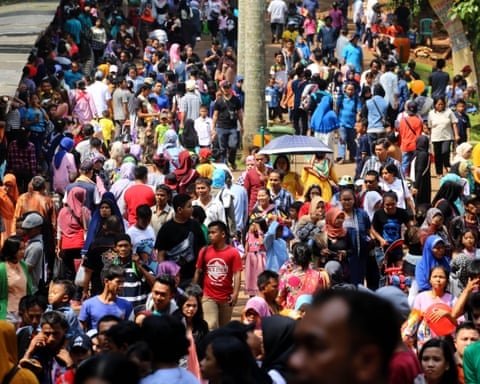
Japan’s foreign-born population has grown to approximately 4 million as the government seeks to address labor shortages, while the number of Japanese nationals has declined to a record low of 120.6 million. This demographic shift has created political opportunities for parties advocating stricter immigration controls.
Despite its recent electoral gains, Sanseito remains a relatively small force in parliament. Kamiya acknowledges that building a governing coalition would require substantially more seats. “My primary objective is to develop a party strong enough to assume governmental responsibilities,” he noted.
The party’s emergence reflects broader global trends where nationalist movements have gained traction by focusing on immigration and cultural preservation issues. However, Kamiya emphasizes that Japan’s circumstances differ from those in Europe and North America, where foreign-born populations represent larger percentages of the total population.
As Japan continues to confront demographic challenges, the political debate over immigration and national identity appears likely to intensify, with Sanseito positioned to influence the direction of that conversation in the coming years.