
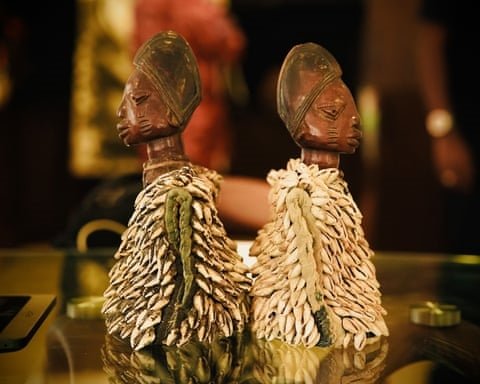
A cultural initiative is breathing new life into the ancient Yorùbá tradition of crafting ère ìbejì, the carved wooden figures that honor twins. This art form, once central to the spiritual life of the Yorùbá people, had nearly vanished, with most existing statuettes now housed in foreign museums.
The movement to reclaim this heritage is being led by individuals like Kayode Adegbola, a Nigerian art collector. His passion for ère ìbejì was ignited several years ago and has since evolved into a dedicated mission. “I actively seek out these figures, acquiring them from international auctions and within Nigeria from those who may no longer appreciate their significance,” Adegbola explains.
The tradition is deeply intertwined with the Yorùbá people, who statistically have one of the highest rates of twin births globally. In communities like Igbo-Ora, the incidence of twins far exceeds the world average. Within this culture, twins are not merely a biological phenomenon but are revered as a divine blessing, believed to bring prosperity and protection to their families.
The ère ìbejì serve a profound spiritual purpose. They are created as vessels for the spirit of a deceased twin, ensuring the child continues to be venerated and that their living sibling and family remain safeguarded. For living twins, similar figures are also carved. These statuettes were traditionally cared for as if they were living children—bathed, fed, clothed, and carried. They are characterized by distinctive artistic features, including large, elaborately styled heads symbolizing the spirit and destiny of the individual.
To counter the tradition’s decline, Adegbola launched the Ìbejì Project. This platform aims to educate new audiences and advocate for the preservation of this unique cultural response to twinship. “The project is a space for dialogue, ensuring the tradition is not frozen in time in distant museums but remains a living, evolving conversation,” he states.
The initiative involves collecting original statuettes and exhibiting them alongside contemporary artworks that explore themes of duality, companionship, and continuity. By juxtaposing the ancient with the modern, the project successfully recontextualizes the tradition for a present-day audience. Adegbola reports that the project has already begun to change perceptions, inspiring some who previously overlooked traditional art to start collecting it.
Future plans include the publication of a book to make the rich history and significance of the ìbejì tradition accessible to a global audience of scholars and the public. The ultimate goal is for these sacred figures to be universally recognized not as mere museum curiosities, but as a vital and enduring part of the world’s cultural heritage.