When “Exorcist II: The Heretic” premiered in 1977, it was met with immediate and overwhelming scorn. Critics labeled it one of the worst films ever made, while audiences reportedly jeered and walked out in droves. The director, John Boorman, later admitted he felt so humiliated he considered drastic measures in response to the backlash.
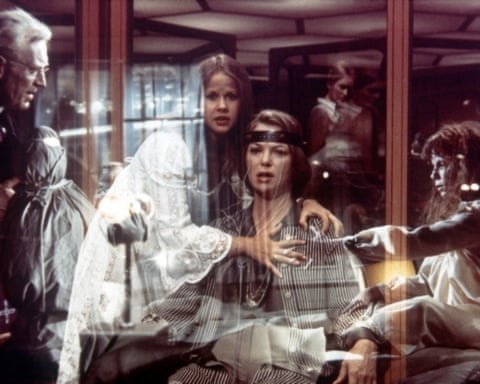
The film’s failure was rooted in a fundamental mismatch of expectations. Moviegoers anticipated a straightforward horror sequel, complete with the shocking imagery of the original. Instead, Boorman delivered a surreal, metaphysical drama that baffled viewers. The plot followed a now-teenage Regan, played by Linda Blair, undergoing experimental hypnotherapy. The film’s unconventional approach, including dreamlike sequences and philosophical themes, left audiences confused and disappointed.
Despite a record-breaking opening weekend, negative word of mouth caused ticket sales to collapse almost overnight. Boorman attempted to salvage the project with last-minute edits, but the damage was done. The production itself was plagued by misfortune, including the sudden death of a key cast member and multiple on-set accidents, leading some to wonder if the project was cursed.
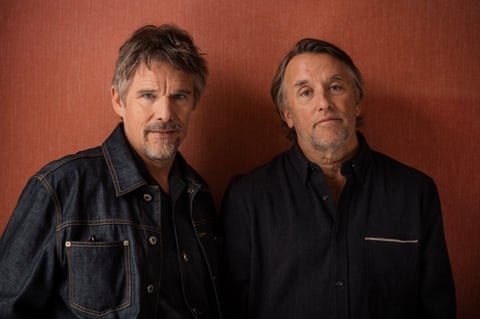
A new documentary now argues for a reassessment of the maligned sequel. It highlights the film’s artistic ambition, noting its innovative cinematography, striking production design, and a powerful score by Ennio Morricone. Supporters contend that, far from being a mere failure, “The Heretic” was a deeply personal and humanistic response to its predecessor—a film its creators actively disliked.
The documentary also places the movie’s commercial disaster within a broader industry shift. Released shortly after “Star Wars,” its failure seemed to signal the end of a era for director-driven studio projects, paving the way for a new age of blockbuster franchises.
Though Boorman went on to direct other acclaimed films, the sting of this particular failure never fully faded. He has long maintained that, judged on its own terms and not as a conventional sequel, the film might have been received more favorably. Decades later, this documentary makes the case that it’s time for a reappraisal of one of the most unfairly maligned films of the 1970s.