A series of high-profile scandals involving influential Buddhist monks has drawn intense scrutiny to the vast wealth accumulated by some of China’s major religious sites. The recent downfall of several prominent religious figures signals a significant shift in the official stance toward the commercialization of temples, with a renewed emphasis on frugality and doctrinal purity.
The most notable case involves the former head of the Shaolin Temple, a monk once celebrated for transforming the ancient monastery into a global brand. After more than a decade of prominence, he was removed from his position and stripped of his religious status this past summer. Authorities are investigating allegations of financial misconduct and personal improprieties, including claims he fathered children outside of wedlock. The monk, who had previously survived similar accusations, has not been seen publicly since his dismissal.
His case is part of a broader pattern. In another province, a well-known monk was publicly defrocked by a national religious association following a police probe into alleged fraud. He is accused of soliciting public donations for charitable causes but then diverting the funds for personal luxury expenses. Separately, a viral video from a historic temple showed monks openly counting large stacks of cash, sparking widespread public criticism and online debate about the wealth of religious institutions.
This growing public and official censure highlights a tension within modern Chinese Buddhism. Historically, monasteries have played economic roles, and fundraising for religious purposes is generally accepted. However, the personal enrichment of clergy is increasingly viewed as incompatible with spiritual integrity. The current political climate, which prioritizes austerity and ideological conformity, has turned a critical eye toward displays of excess wealth, including within religious circles.
The relationship between the state and religious institutions has fluctuated dramatically over the past century. Temples suffered severe repression during the mid-20th century, only to be revitalized decades later as part of economic reform policies that encouraged cultural tourism. This led to the rise of a multi-billion-yuan “temple economy,” with sites like Shaolin becoming major commercial enterprises.
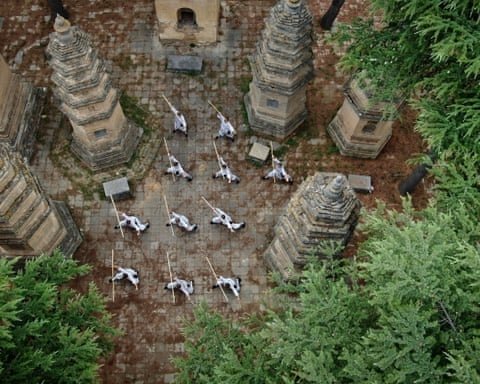
The former Shaolin leader was a key architect of this model. He took charge when the temple was in disrepair and spearheaded its development into a premier tourist destination, complete with ticket sales, branded merchandise, and international performances. His success brought him significant political access and local honors, but it also made him a symbol of the commercialization now being questioned.
Analysts suggest that the recent crackdown is less about specific legal infractions and more about reasserting control and aligning religious practice with current political priorities. New regulations have been enacted to curb profit-driven activities at religious sites, emphasizing that they should operate as non-profit entities.
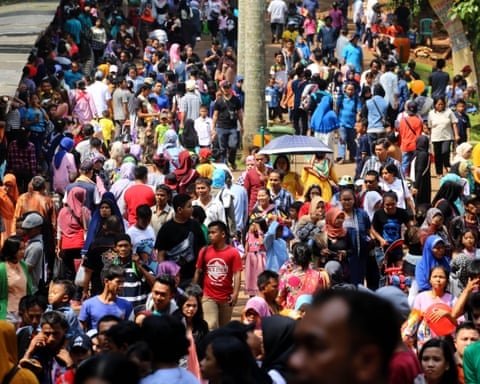
In the wake of the scandals, the new leadership at Shaolin has pledged a return to tradition, announcing the cancellation of commercial performances and the removal of lucrative vendor stalls. Yet, the transition appears incomplete; the temple still charges admission and remains filled with shops selling souvenirs to throngs of visitors.
Public opinion on the matter remains divided. Some visitors express support for the de-commercialization drive, hoping temples will refocus on their spiritual core. Others, however, acknowledge the former leader’s role in elevating the temple’s global profile and express a more pragmatic view of the wealth associated with it.