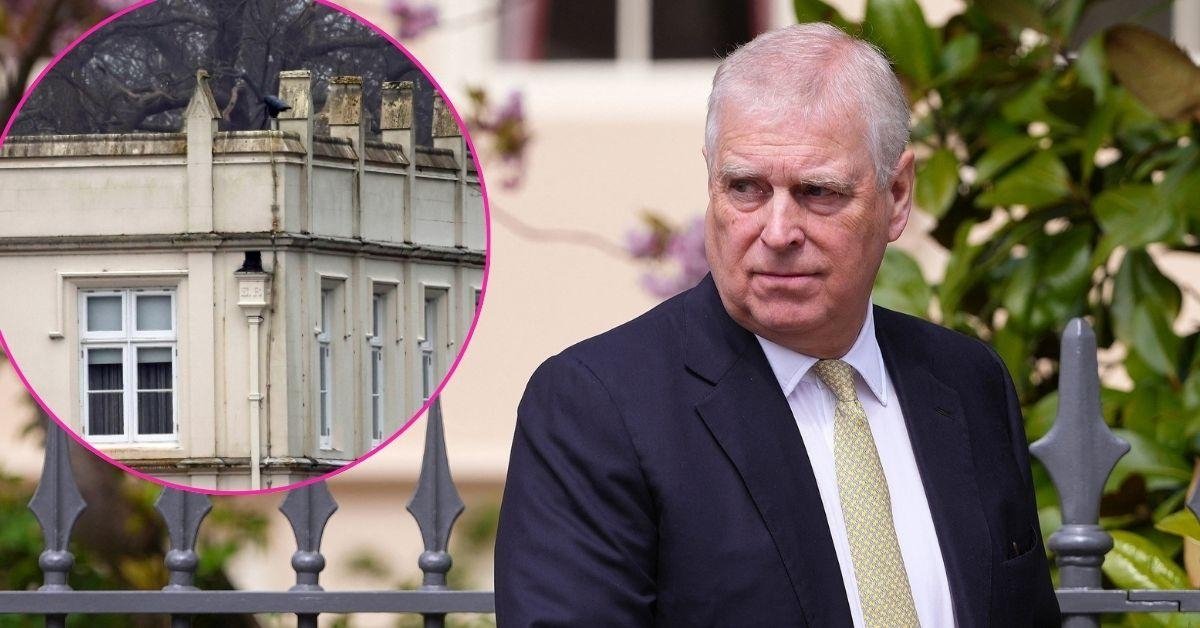
A recently surfaced lease agreement for the Royal Lodge has brought renewed attention to the financial arrangements of Prince Andrew, the Duke of York. The document confirms he has resided in the 30-room Windsor estate for over two decades without paying a conventional rent.
The lease, signed in August 2003, required the prince to pay a one-time sum of £1 million to secure the property. The contractual annual rent was set at a “peppercorn,” a legal term denoting a nominal amount that has reportedly never been demanded. This arrangement has allowed the Duke and Sarah Ferguson to occupy the multimillion-pound estate without utilizing royal funds for ongoing housing costs.
The agreement spans 75 years and obligates the tenant to cover all maintenance and significant refurbishment costs, including £7.5 million in upgrades completed in 2005. Despite this financial outlay, the lack of substantial rental payments has prompted questions about potential lost public revenue.
Official reviews, including a 2005 National Audit Office report, have previously concluded that the Crown Estate’s negotiations with the royal family followed standard procedures and that the terms were appropriate. However, the prince’s position has become increasingly precarious following his retreat from public duties and the subsequent removal of his royal patronages and military affiliations from the monarchy’s official website.
Should the Duke relinquish the lease before 2028, the terms stipulate he would be entitled to a compensatory payment from the Crown Estate. Despite a temporary reprieve granted by the King, observers question the long-term viability of his tenure, citing the immense upkeep required for the historic property.