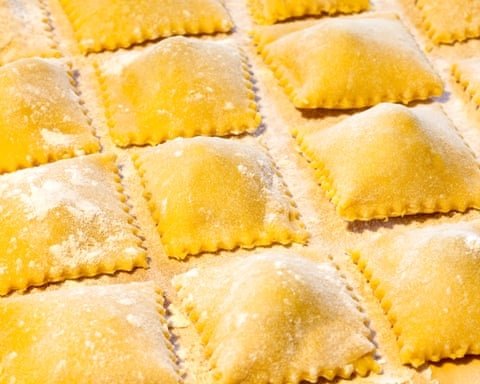
A proposed 107% tariff on pasta imported from Italy is generating concern among American consumers, particularly those with specific dietary needs. The measure, currently under review by the U.S. Department of Commerce, could lead to a significant reduction in Italian pasta brands on U.S. shelves as early as January.
The primary concern is for specialty items, such as gluten-free pasta, which many consumers rely on. One shopper, a Pennsylvania resident with celiac disease, recently purchased a large quantity of her preferred brand, Rummo, fearing it may become unavailable or prohibitively expensive. For individuals with this condition, the potential disappearance of a trusted, safe food staple adds a layer of anxiety to grocery shopping.
While the majority of pasta sold in the United States is produced domestically, experts suggest the tariffs could still impact the market. Analysts warn that domestic producers might use the news as an opportunity to raise their own prices, even on products not directly subject to the new import tax. This could lead to broader price increases for consumers, regardless of the pasta’s origin.
The founder of an American artisanal pasta company noted that his business already pays tariffs on the Italian wheat it imports. He expressed uncertainty about future trade policy, highlighting the challenges for businesses that rely on international supply chains.
The situation unfolds against a backdrop of rising grocery costs nationwide. For many, the potential pasta tariff represents another financial pressure point, with particular consequences for those who depend on specific imported food products for their health and well-being.