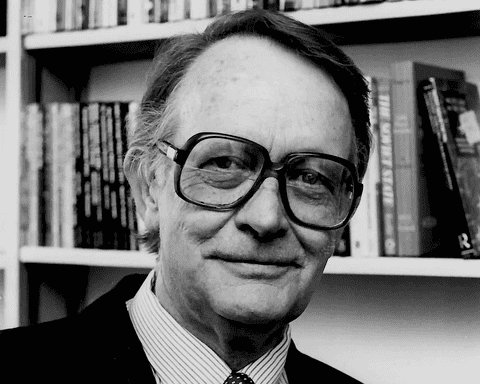
Jack Spence, a political scholar whose pragmatic analysis and counsel helped navigate South Africa’s complex journey from apartheid to democracy, has passed away at the age of 94.
Though he formally retired in 1991, his career spanned another three decades, marked by influential roles that extended his impact well into the 21st century. His scholarship was characterized by a rigorous and non-partisan approach, allowing him to engage effectively with all sides of the political spectrum during the country’s most critical periods.
During the apartheid era and the subsequent transition to majority rule, he acted as a trusted mediator. His advice was sought by figures from liberation movements, the outgoing National Party government, and key international players. While a firm critic of the apartheid system, he was known for advocating a clear-eyed understanding of the nation’s intricate political realities.
In the 1980s, his nuanced positions sometimes contrasted with more strident voices in the anti-apartheid movement. He was a staunch defender of academic freedom and maintained a lifelong connection with the University of the Witwatersrand, later establishing a scholarship for young South Africans.
His body of work includes the seminal text Ending Apartheid, co-authored in 2010, which remains a definitive account of the democratic transition. He was a founding editor of two major academic journals and shaped the field of international studies through his editorial leadership and roles in prominent scholarly associations. His contributions were recognized with an OBE and multiple honorary degrees.
Born in Krugersdorp, he was the son of a British miner. After studying in South Africa, he pursued economics at the London School of Economics, where he met his future wife. Returning to South Africa, the couple became active in the country’s Liberal party, an affiliation that deeply influenced his worldview.
His academic career included a long tenure at the University of Leicester, where he served as head of department and was known for his calm leadership. Following his retirement from Leicester, he directed studies at the Royal Institute of International Affairs (Chatham House). In that capacity, he privately briefed the British monarch ahead of a state visit to post-apartheid South Africa.
Immediately after leaving Chatham House, he began a 23-year association with the Department of War Studies at King’s College London, where his course on diplomacy became one of the most popular offerings.
Beyond the academy, he was a valued adviser to governments and think tanks, renowned for his ability to distill complex political dynamics into clear, actionable insights. He eschewed modern communication, preferring face-to-face conversations in his office or a pub, and was known for sending handwritten, encouraging postcards to colleagues and students.
Mentorship was a cornerstone of his life, and he took great pride in the success of his former students, who now hold leadership positions across the globe. He is survived by his daughter, Rachel. His wife, Sue, predeceased him in 2021.