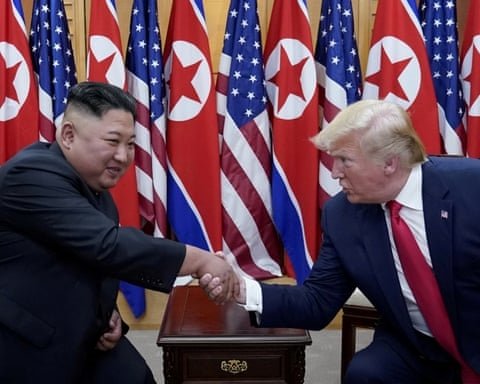
North Korean leader Kim Jong-un has signaled a potential willingness to resume nuclear negotiations with the United States, while simultaneously reaffirming his nation’s commitment to maintaining its nuclear arsenal. The development comes alongside indications from South Korea’s leadership of increased flexibility regarding potential diplomatic agreements.
In recent remarks to the country’s legislative body, Kim referenced what he described as positive recollections of previous interactions with former U.S. leadership. However, he established specific conditions for any future discussions, demanding that Washington abandon what he termed its “unrealistic fixation” with complete denuclearization and instead pursue what he characterized as genuine peaceful coexistence.
The North Korean leader emphasized that his country’s nuclear capabilities represent an essential component of national security, describing them as vital for regime survival. He pointed to international precedents where nations relinquished nuclear programs, suggesting these examples reinforced Pyongyang’s determination to maintain its strategic weapons.
Simultaneously, South Korea’s administration has indicated potential acceptance of interim measures that would halt further nuclear development without requiring immediate dismantlement of existing weapons. The South Korean leadership characterized this approach as a pragmatic alternative to previous unsuccessful denuclearization efforts, noting that complete elimination remains the ultimate objective.
The South Korean position acknowledges that existing sanctions regimes have failed to curtail weapons development, with estimates suggesting continued expansion of the northern neighbor’s nuclear capabilities. This represents a significant policy shift from the previous administration’s stance, reflecting a new emphasis on incremental progress through renewed dialogue.
The evolving situation suggests potential diplomatic openings, though fundamental disagreements regarding nuclear weapons persist. Both Korean leaderships appear to be testing new approaches to longstanding security challenges, with the international community monitoring whether these developments might lead to substantive negotiations.