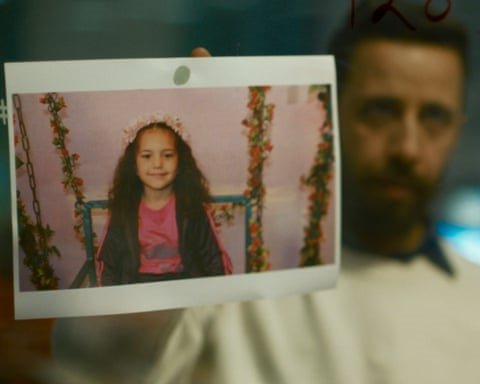
A powerful new film has ignited intense discussion by incorporating the actual voice of a five-year-old Palestinian girl, Hind Rajab, who was killed in Gaza last year. The production reconstructs the harrowing hours she spent on the phone with emergency services, pleading for help after her family’s car came under fire.
Director Kaouther Ben Hania’s project uses the genuine, distressing audio recording of the child’s calls. This real-life testimony is set against a dramatized recreation of the emergency response center, where actors portray the dispatchers who received her calls. The result is a hybrid format that blurs the line between documentary and fiction, placing viewers directly inside the tense and tragic real-time effort to save her.
The film’s premiere was met with an overwhelming emotional response, including a prolonged standing ovation. Yet its approach has also prompted debate. Some question the ethics of weaving an authentic, traumatic recording into a suspense-driven narrative, arguing that the technique could be seen as manipulative. Others, however, defend the director’s bold choice, contending that it forces a direct and unavoidable engagement with a contemporary humanitarian crisis often reduced to abstract headlines.
A central, agonizing conflict depicted is the operational reality for aid workers in a conflict zone. The film shows emergency coordinators facing an impossible dilemma: the urgent need to dispatch an ambulance is hampered by the necessity of coordinating a safe route with military authorities—the very forces implicated in the attack. This sparks a fraught internal debate among the responders about the nature of collaboration and complicity in the face of overwhelming violence.
By giving a platform to the child’s own voice, the film makes an undeniable emotional appeal. It challenges audiences not to look away from the human cost of war, presenting a stark and visceral account of a tragedy that continues to resonate.