
A new federal proposal aims to significantly alter implementation of the Endangered Species Act, drawing warnings from conservation advocates who say the changes could accelerate wildlife declines. The plan, introduced this week, would modify how protections are applied to at-risk species across the United States.
Key provisions would grant officials greater latitude to consider economic factors when designating critical habitats and remove automatic protections for species classified as threatened. The proposal also narrows the definition of habitat, excluding areas not currently occupied by species even if historically part of their range.
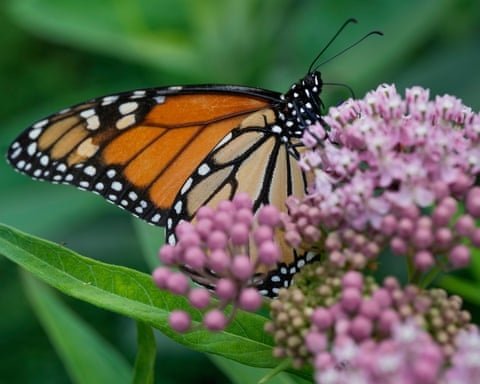
Environmental organizations have voiced strong opposition, characterizing the changes as potentially devastating for vulnerable wildlife. “This represents a fundamental weakening of protections that could push many species closer to extinction,” said one conservation policy director, who noted particular concern for species like wolverines and monarch butterflies that already face significant threats.
Administration officials defended the proposal as necessary to balance conservation with economic considerations. “We’re committed to species protection while also respecting the needs of Americans who rely on our natural resources,” stated a senior department official.
The proposal emerges during what scientists describe as a global biodiversity crisis. Recent assessments indicate approximately one million species worldwide face extinction threats, with insects—critical to ecosystem functioning—experiencing particularly rapid declines.
Public opinion polling has consistently shown strong support for wildlife protections, with recent surveys indicating most voters favor robust funding for endangered species programs and consider biodiversity important to their daily lives.
A 30-day public comment period on the proposal begins Friday, with conservation groups preparing to mobilize opposition similar to previous efforts that generated hundreds of thousands of responses against changes to species protections.