A new film is raising profound questions about one of the most recognized images in modern history – the 1972 “Napalm Girl” photograph that came to symbolize the horrors of the Vietnam War. For over five decades, credit for the Pulitzer Prize-winning image has belonged to Huynh Cong “Nick” Út, a photographer working for the Associated Press. But emerging evidence suggests the picture may have been taken by another individual entirely.
The documentary follows an investigation sparked by a former AP photo editor who claims the credit was improperly assigned to Út, the only staff photographer present that day, rather than to a freelance contributor who actually captured the moment. The film traces efforts to identify this previously uncredited photographer, ultimately focusing on Nguyễn Thành Nghệ, then a driver for NBC who occasionally sold photographs to international news organizations.
According to the film’s account, Nghệ sold the image to the AP for a modest payment but never received recognition for his work. Now in his eightties, he maintains he was the true author of the historic photograph.
The claims have ignited controversy within photojournalism circles. The Associated Press conducted its own review and continues to stand by Út’s authorship, describing the former employee who raised the initial concerns as “disgruntled.” Meanwhile, World Press Photo, which had honored the image in 1973, has rescinded Út’s credit while stopping short of officially reassigning it, noting that “this remains contested history.”
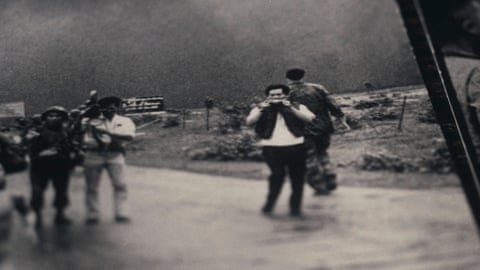
Forensic analysis presented in the documentary suggests Út would have needed to move improbably quickly between positions to have taken the famous shot. Researchers concluded another photographer was better positioned to capture the moment.
Beyond the question of individual attribution, the film examines broader issues of how historical narratives are constructed and whose contributions are recognized. It highlights how Vietnamese journalists working for international news organizations during the war often operated without proper credit or professional support.
The filmmakers emphasize that their investigation represents more than just technical historical revisionism. They frame it as an opportunity to reconsider how stories are told and who has the power to shape collective memory. The documentary invites viewers to examine not only this particular case but contemporary media practices as well.
Both the director and primary investigator state they have reached their own conclusions about the photograph’s origins while acknowledging the complexity of definitively resolving historical questions. They express hope that the film will encourage open-minded consideration of alternative perspectives and recognition for those whose contributions may have been overlooked.
The documentary is currently available for streaming, presenting its case through archival research, witness interviews, and technical analysis while acknowledging the ongoing debate surrounding this iconic image’s true origins.