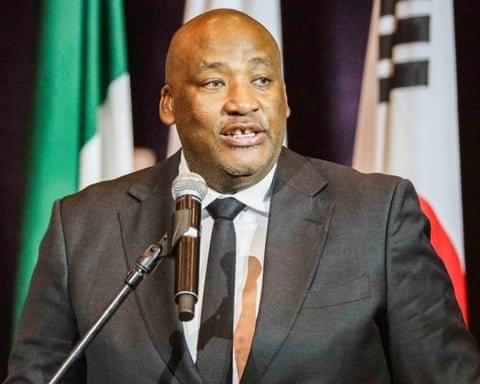
A government official is under formal review for historical social media content containing deeply offensive racial language, raising questions about accountability and the long-term impact of online remarks. The individual has been directed to issue a formal apology, complete sensitivity training, remove the contentious posts, and make a charitable contribution.
The controversy emerged after the official’s political party filed complaints about discriminatory remarks made on a podcast targeting a specific community. In response, online investigators uncovered past posts by the minister that included a prohibited racial term, though these were not aimed at specific persons.
The official has publicly acknowledged the posts, describing them as “insensitive, stupid and hurtful” and expressing regret over the content. He has committed to cooperating with the investigation while maintaining that he has never used the term toward another individual.
Legal authorities have emphasized that the specific slur in question has been deemed unlawful by the nation’s highest court, describing it as among the most offensive terms possible. They noted that the ongoing visibility of such content represents continuing harm.
The situation has highlighted persistent social divisions stemming from historical racial classifications. Under previous governance systems, populations were forcibly categorized, creating hierarchies that continue to influence contemporary social dynamics.
A researcher specializing in community identities observed that the incident demonstrates how different population groups remain largely unfamiliar with one another’s experiences. An analyst noted that even when not intended as derogatory, the use of such language by prominent figures is often interpreted within broader historical contexts of racial tension.
The official has characterized the investigation as politically motivated, asserting that his community has historically been subjected to discrimination rather than perpetrating it.